
Breast Ptosis Correction
Price upon consultation
This procedure corrects sagging breasts caused by childbirth, aging, weight loss, and other factors, according to the degree of ptosis. Mild ptosis or pseudoptosis can be corrected with implant augmentation, while grade 3 or higher ptosis or significant excess skin requires removal of excess skin using an appropriate periareolar, vertical, or anchor incision, followed by fixation of the breast tissue to the chest wall.
Surgery Overview
Breast lift is a procedure that corrects Sagging breast caused by childbirth, aging, weight loss, and other factors, according to the degree of ptosis. Mild ptosis or pseudoptosis can be improved with Implant augmentation, while Grade 3 or greater ptosis or significant excess skin may require removal of skin using a Periareolar incision, Vertical Incision, or anchor incision, followed by fixation of the Breast tissue to the chest wall.

Recommended for These Individuals
· Those with sagging breasts after pregnancy and childbirth · Those whose breast elasticity has decreased and breast tissue has become lax due to aging · Those who have lost breast elasticity after weight loss · Those concerned about overall volume loss and sagging
Sagging Breast Self-Assessment
The degree of Breast ptosis is assessed based on Nipple position relative to the inframammary fold. If the Nipple is below the ideal range, a Breast lift may be considered. · Normal – Nipple is 4–5 cm above the inframammary fold · Grade 1 – Nipple is within 1 cm of the inframammary fold · Grade 2 – Nipple is 1–3 cm below the inframammary fold · Grade 3 – Nipple is more than 3 cm below the inframammary fold; severe ptosis · Pseudoptosis – Nipple position is normal, but Mammary tissue has descended · Other – Other distinctive or unsatisfactory breast shapes
Surgical Methods
Method 1. Breast Augmentation Using Implants
Mild ptosis or pseudoptosis can be improved with Implant Breast Augmentation, enhancing overall volume and shape at the same time.
Method 2. Breast Lift
This procedure is performed when there is substantial excess sagging skin, Grade 3 or greater ptosis, or sagging due to large breasts. An incision method appropriate for the breast condition is selected, and the Breast tissue is dissected into a cone shape and securely fixed to the chest wall. If volume is insufficient, Implant insertion and a Lift can be performed together.
STEP 1. Select the Most Appropriate Incision Method
Choose among a Periareolar incision, Vertical Incision, and anchor incision.
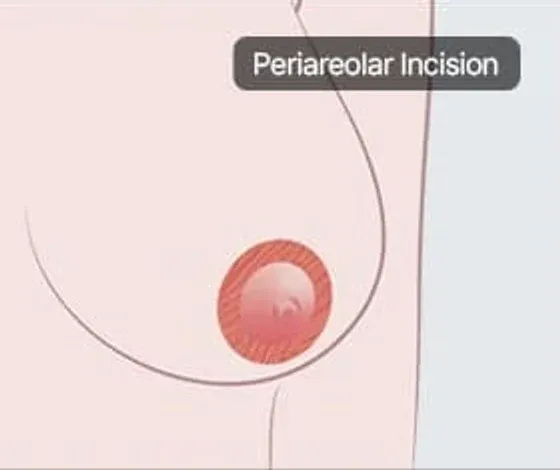
Periareolar incision
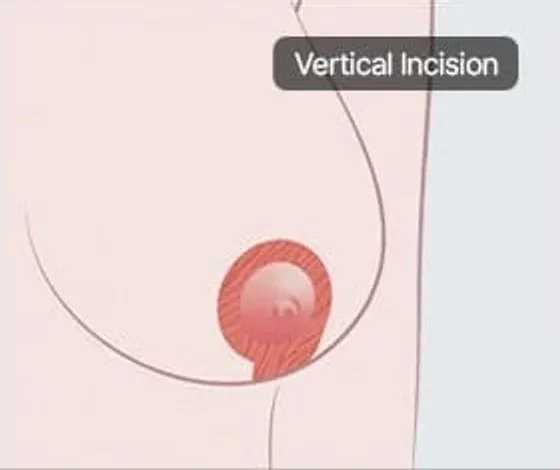
Vertical Incision
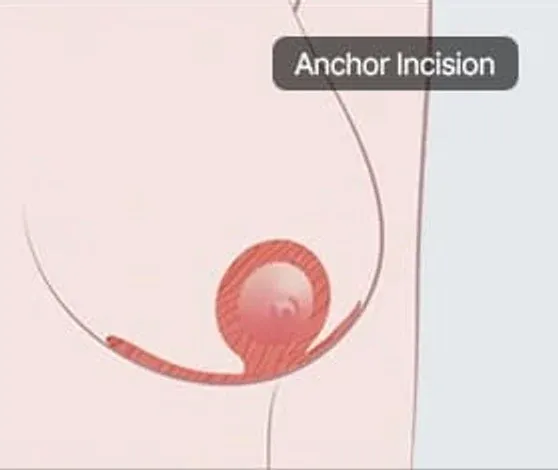
Anchor incision
STEP 2. Remove Excess Skin Tissue After the Incision
STEP 3. Securely Fix the Remaining Breast Tissue to the Chest Wall
The Strengths of AB Breast Surgery
Point 1. Solutions for Natural Shape and Firmness
Beyond simply restoring the original shape, we create a firmer, more balanced silhouette. · Firm, beautiful breasts · Scar Revision care to minimize scarring · Both cosmetic improvement and relief of physical discomfort · Systematic postoperative care program
Point 2. Breast Surgery with Safety as the Top Priority
Like facial surgery, breast surgery requires meticulous planning and precision. Considering all factors, the most suitable Implant and surgical method are selected, and precise breast examinations are performed before and after surgery using advanced equipment.
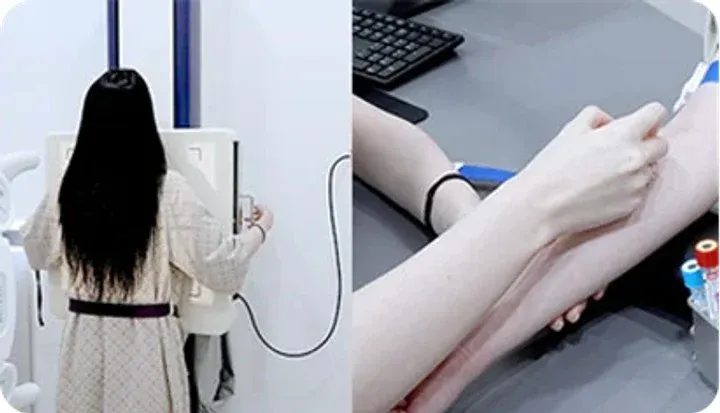
Comprehensive Preoperative Health Examination
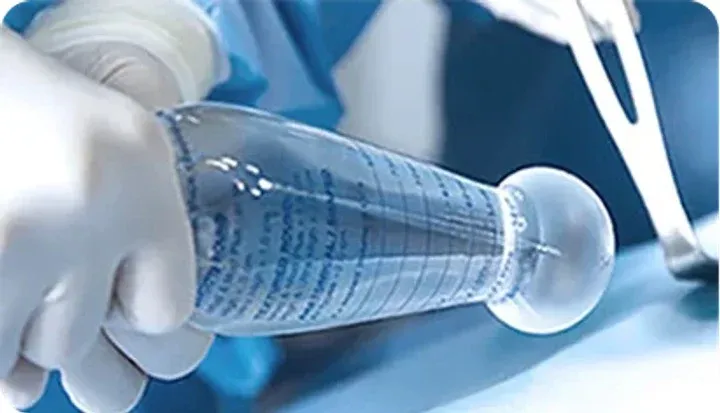
No-Touch Implant Insertion Using a Keller Funnel
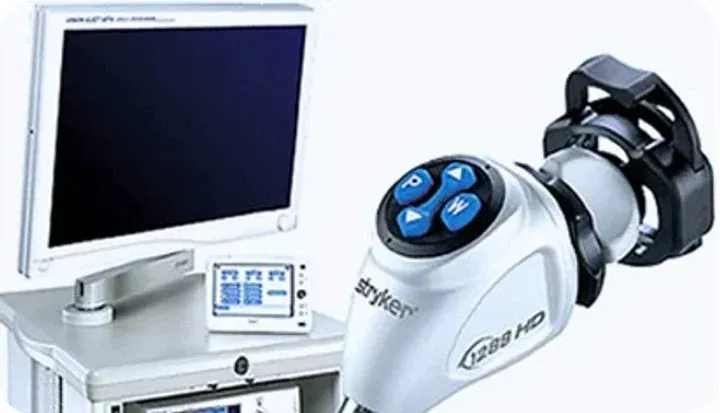
Full HD Endoscopic Precision Dissection
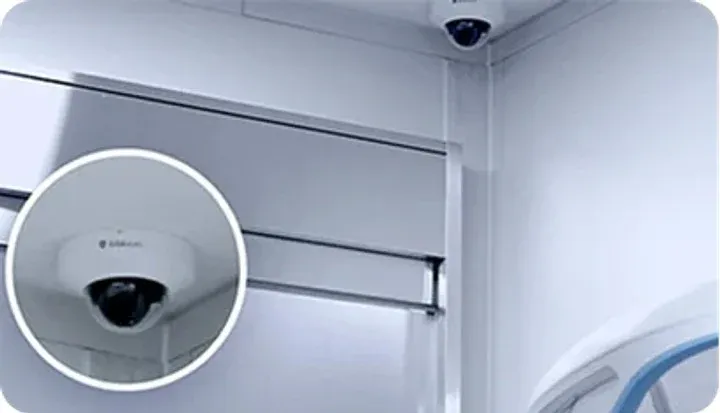
Operating Room CCTV to Prevent Proxy Surgery
· University hospital-level safety system and on-site anesthesiology and pain medicine specialists
Surgery Information
| Surgery duration: 2–3 hours | Anesthesia: General anesthesia | Follow-up visits: 3–4 times | Recovery period: Return to daily activities from 2 weeks after surgery
Pre- and Postoperative Precautions
Before Surgery
· Please inform us in advance if you have underlying conditions such as hypertension, diabetes, or thyroid disease; medication allergies; or a history of heart, lung, liver, kidney, or brain-related surgery. An anesthesiology consultation and additional tests may be performed if necessary. · Please stop taking aspirin, pain relievers, hormone medications, herbal medicines, and vitamin supplements beginning 1 week before surgery. Bring any medications you are currently taking on the day of surgery. · Smoking delays recovery and increases the risk of infection and anesthesia-related complications. Stop smoking from the day you decide to have surgery, and stop drinking alcohol 1 week before surgery. · Fast for 10 hours before surgery, including water, candy, and gum. · Remove all nail polish and gel nails. Do not wear contact lenses or makeup on the day of surgery. Please wear comfortable clothing with front buttons. · Please inform us in advance if you develop a high fever, cough, or cold symptoms within 1 week before surgery, or if your menstrual period overlaps with the surgery date. · You cannot drive yourself on the day of surgery.
After Surgery
· For approximately 1 week after surgery, sleep on your back with your upper body slightly elevated. Continue sleeping on your back for 3 months, and avoid lying on your side for up to 6 months. · Tape around the breasts will be removed at the first follow-up visit on day 7. Wear a compression bra and fixation band for 1–2 months. · Change undergarments in the following order: compression bra → sports bra → underwire bra. The timing will be determined based on your recovery progress. · Showering and bathing are allowed after 1 week; saunas and steam rooms are allowed after 1 month. · Avoid alcohol and smoking for 1 month. Avoid multivitamins, including vitamin E, for 1 month and aspirin for 1 week. · If one breast suddenly becomes firm and pain or bleeding worsens, contact the hospital immediately.
Please Be Sure to Check
Swelling, bruising, temporary decreased sensation, and capsular contracture may occur after Breast surgery, so regular follow-up examinations are necessary. The surgical method and results may vary depending on the individual’s condition and should be determined through consultation with a specialist.
 AB PLASTIC SURGERY