Breast Ptosis Correction
from 1,500,000 KRW* VAT Not Included
This procedure improves breasts sagging due to pregnancy, breastfeeding, or aging by performing breast augmentation with implants or combining a breast lift with implant augmentation, depending on the degree of ptosis (grades 1–3). Among periareolar, vertical, and inverted-T incisions, the method most appropriate for the degree of sagging and breast size is selected, and the position of the areola and nipple is also corrected.
Surgery Overview
This procedure improves sagging breasts caused by pregnancy, breastfeeding, and aging, according to the degree of ptosis (Breast Ptosis Correction grades 1–3), through implant Breast Augmentation or a combination of ptosis correction and implant augmentation. Considering breast shape, degree of reduction, and scars comprehensively, the appropriate method is selected from periareolar, vertical, or inverted-T incisions, while also correcting the position of the areola and nipple.

Recommended for the Following
· Those with sagging breasts due to pregnancy and breastfeeding · Those who have lost breast volume after breastfeeding · Those whose nipples are positioned below the inframammary fold · Those with small, sagging breasts or excessively large, sagging breasts · Those who had naturally small breasts that became more severe after childbirth
Sagging breast surgery is a highly complex procedure that requires comprehensive consideration of breast shape, degree of reduction, and scars, so its approach must differ from that of general Breast Augmentation. View Plastic Surgery thoroughly assesses each individual's condition and proposes a personalized one-on-one solution.
Self-Assessment for Breast Ptosis
The degree of ptosis can be self-assessed by measuring the distance from the inframammary fold to the nipple. · Normal breast: The nipple is positioned approximately 4–5 cm above the inframammary fold · Grade 1: The nipple is within 1 cm of the inframammary fold · Grade 2: The nipple is 1–3 cm below the inframammary fold · Grade 3: The nipple is more than 3 cm below the inframammary fold
Features of View Sagging Breast Surgery

Point 1. Firm, Beautiful Breasts
Rather than simply restoring the original breast shape, we correct the breasts to create a firm and beautiful appearance.

Point 2. Natural Breast Shape
You can expect a natural shape, feel, and contour as though they were your own original breasts.

Point 3. Areolar and Nipple Position Correction
Improving the position of the areola and nipple also provides a breast correction effect.
Point 4. Care That Reduces Concerns About Scars
Close care by specialized staff and medical professionals minimizes scars that may occur after surgery.
Point 5. Childbirth and Breastfeeding Are Possible
Because the procedure is performed to avoid damaging mammary tissue, it does not interfere with future plans for childbirth or breastfeeding.
Surgical Methods According to Degree of Ptosis
Solution 1. Implant Breast Augmentation (Grade 1–2 Breast Ptosis Correction)
For breasts that are small and lack firmness but are not severely sagging, an implant suited to the individual's characteristics is inserted to increase size and create a beautiful contour by improving shape and symmetry.
Solution 2. Ptosis Correction + Implant Breast Augmentation (Grade 3 or Higher Breast Ptosis Correction)
For severe sagging with stretched and deflated breasts, ptosis correction removes stretched tissue to improve sagging, while implants increase volume to create a firm breast contour.
Sagging Breast Surgery Incisional Methods
01. Periareolar Incisional Method
· Suitable when the breasts are not very large and only slightly sagging · The incision around the areola leaves scars that are barely visible · Minimal loss of nipple sensation and shorter surgery time · Limited amount of reduction possible
02. Vertical Incision
· A commonly performed method that provides the best postoperative shape · A vertical incision from the nipple to the inframammary fold · Nipple sensation can be preserved · Allows a relatively large reduction and can create an attractive contour
03. Inverted-T Incisional Method
· An incision extending from the areola to the inframammary fold · Suitable for large breasts or severe ptosis · Excess skin is reduced, allowing both the breasts and nipples to be lifted · Provides the greatest lifting effect and allows nipple position correction
Breast Examinations Before and After Surgery
Specialists in general surgery (breast diseases) and radiology are available on-site, with breast examination and treatment equipment including HD ultrasound, mammography, and Mammotome.
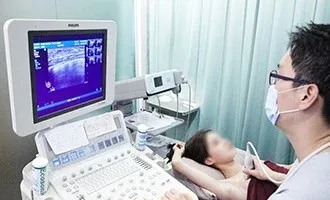
Detailed Preoperative Examination
Your current breast condition is assessed through a specialist consultation and ultrasound examination.
Postoperative Implant Assessment
We confirm that the implant has settled properly and monitor for complications such as capsular contracture, rupture, rippling, and seroma.
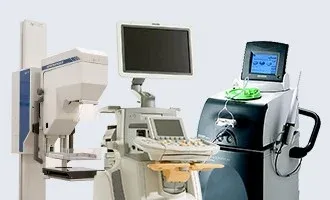
Breast Examination & Mammotome
Mammography and breast ultrasound are used to examine for breast cancer and suspicious lesions. If necessary, Mammotome is used for tissue biopsy and lesion removal.
Scar Care That Reduces Concerns About Scars
Dermabond
Medical adhesive is used for closure to reduce scars without requiring suture removal.
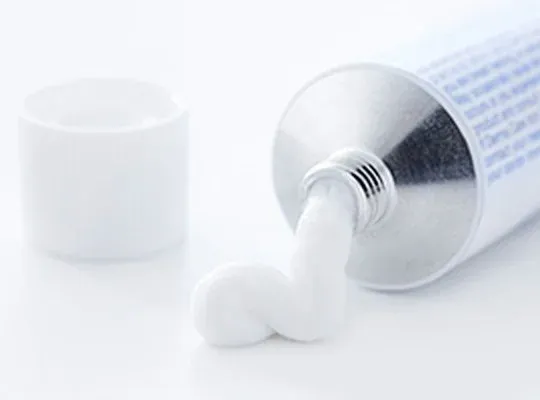
Scar Cream Prescription
Home care is available with scar-reducing ointment.
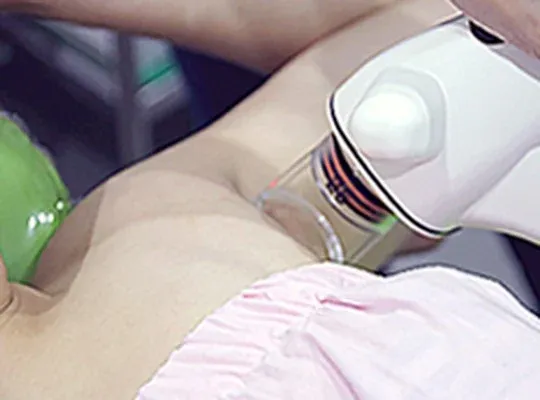
Scar Laser
Care extending deep into the skin improves red scars.
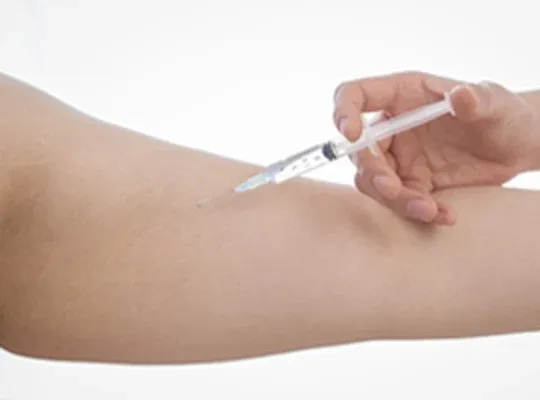
Scar Injection
Helps Skin Regeneration and activates collagen to manage raised scars.
Scar Revision
Scars remaining after laser treatment and injections can be improved with surgery if necessary.
* Scar care may vary depending on the individual's condition.
Postoperative Care (Unlimited Aftercare for 3 Months)
· Day of surgery: Same-day discharge without a drainage bag (hospitalization available), pain-relief injection, and complimentary surgical bra rental · 3–7 days after surgery: Progress check, dressing change on day 3, showering and daily activities permitted (except for periareolar incision, breast fold incision, lifting, and reduction procedures) · 2 weeks after surgery: Breast care education and radiofrequency or Capsulitis care · 1–3 months after surgery: Unlimited Capsulitis care; scar care begins at 3 months (up to 3 injection or laser sessions, and 1 Scar Revision procedure if necessary) · 6 months to 1 year after surgery: Breast examination and ultrasound examination · After 1 year: Annual breast examinations available (additional cost)
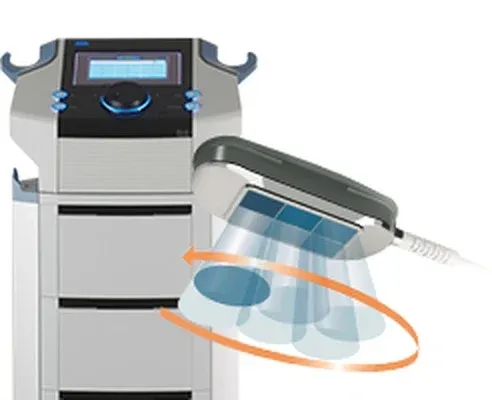
Capsulitis
A specialized massage device for breast surgery helps prevent complications such as capsular contracture and stabilizes the implant.
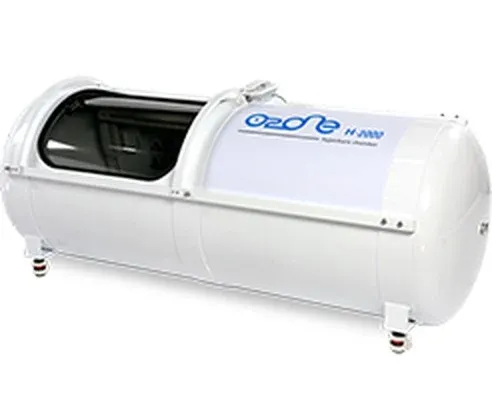
Hyperbaric Oxygen Chamber
A hyperbaric oxygen chamber helps support recovery.
Medication Prescription
* Care details may vary depending on the individual's condition, and unlimited care services apply for up to 3 months after surgery.
Surgery Information
| Surgery duration: 2–3 hours | Anesthesia: General anesthesia | Hospitalization: Same-day discharge available | Suture removal: After 1–2 weeks | Daily activities: After 3–4 days
Please Be Sure to Check
Complications such as inflammation, bleeding, and nerve damage may occur depending on the individual, so caution is required. Surgical results and recovery time may vary depending on individual circumstances, and the surgical method is determined through consultation with a specialist.
 VIEW PLASTIC SURGERY