
Breast Ptosis Correction
from 2,800,000 KRW* VAT Not Included
This procedure corrects sagging breasts caused by pregnancy and childbirth, aging, or rapid weight loss by removing excess skin and reshaping the breast tissue, while elevating the nipple position. Depending on the degree of ptosis, periareolar mastopexy, vertical incision techniques, or an inverted-T incision may be used. If breast volume is insufficient, breast augmentation may also be considered.
Surgery Overview
Sagging breast correction is a surgery that removes excess skin and mammary tissue, lifts and secures the remaining tissue, and restores the lowered nipple position as well as breast firmness and volume. Wonjin Plastic Surgery selects a Breast lift, Vertical Incision method, or O-shaped incision method according to the degree of sagging, and also provides guidance on non-surgical options.

A simple mammary tissue correction restores lost firmness and volume. When the elastic fibers in the skin and breast tissue weaken due to pregnancy, childbirth, and aging, the breasts begin to sag. Breasts may also sag when expansion and contraction are repeated due to rapid weight loss or pregnancy and Breastfeeding.
Recommended for
· Those with low breast volume and sagging breasts · Those with large breast volume and sagging breasts · Those whose breast tissue has become lax and lost firmness with age · Those with sagging breasts after pregnancy and childbirth · Those with reduced breast firmness due to rapid weight loss
Before-and-after photos of Breast Augmentation can be viewed on the official Wonjin Plastic Surgery website after adult verification.
Sagging Breast Self-Assessment
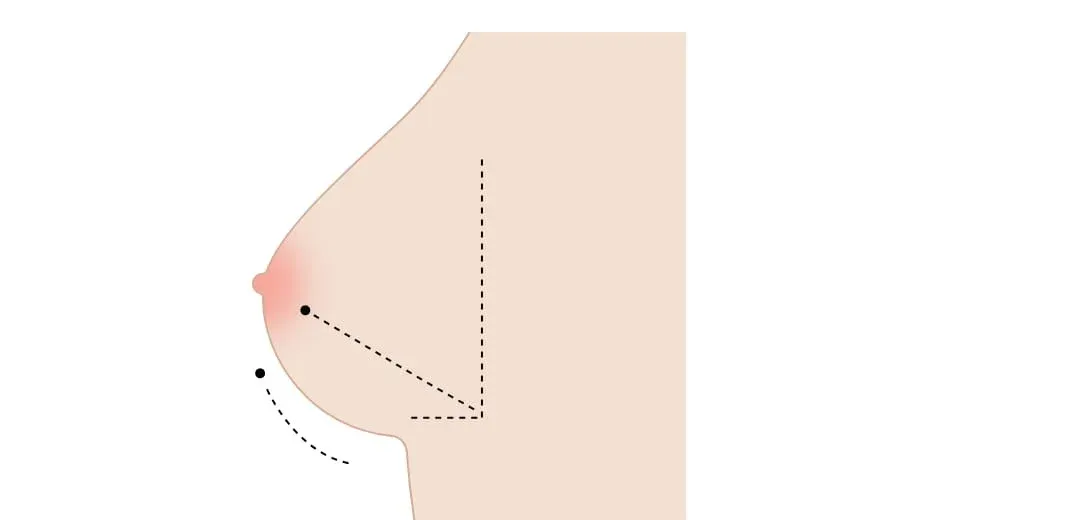
Sagging breast is assessed by how far the nipple has descended in relation to the inframammary fold. Ideally, the nipple should be positioned 4–5 cm above the inframammary fold at a 45-degree angle.
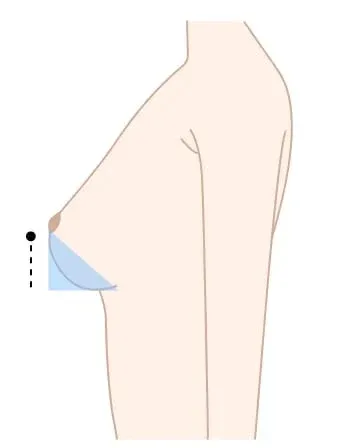
Ideal
4–5 cm above the inframammary fold → No correction needed
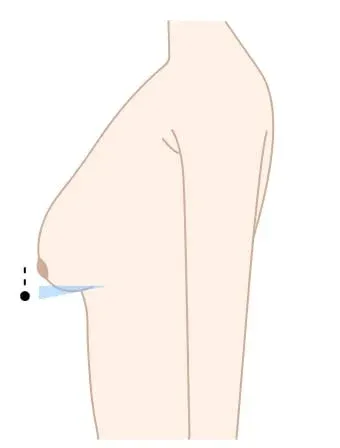
Grade A
0–1 cm below the inframammary fold → Breast Augmentation
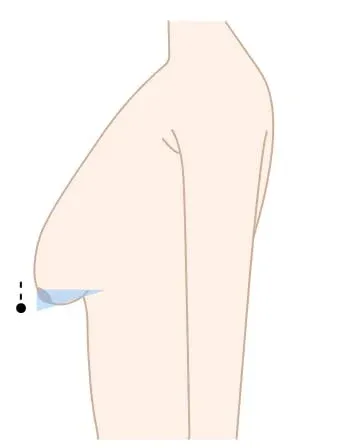
Grade B
1–2 cm below the inframammary fold → Breast Augmentation or sagging breast correction surgery
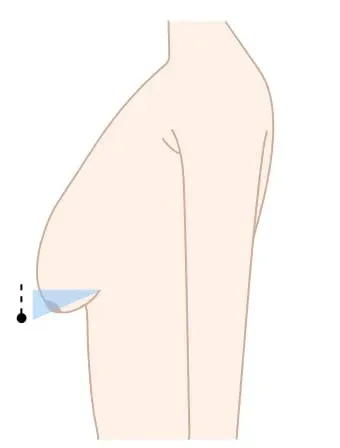
Grade C
More than 3 cm below the inframammary fold → Breast Augmentation or sagging breast correction surgery
Surgical Methods

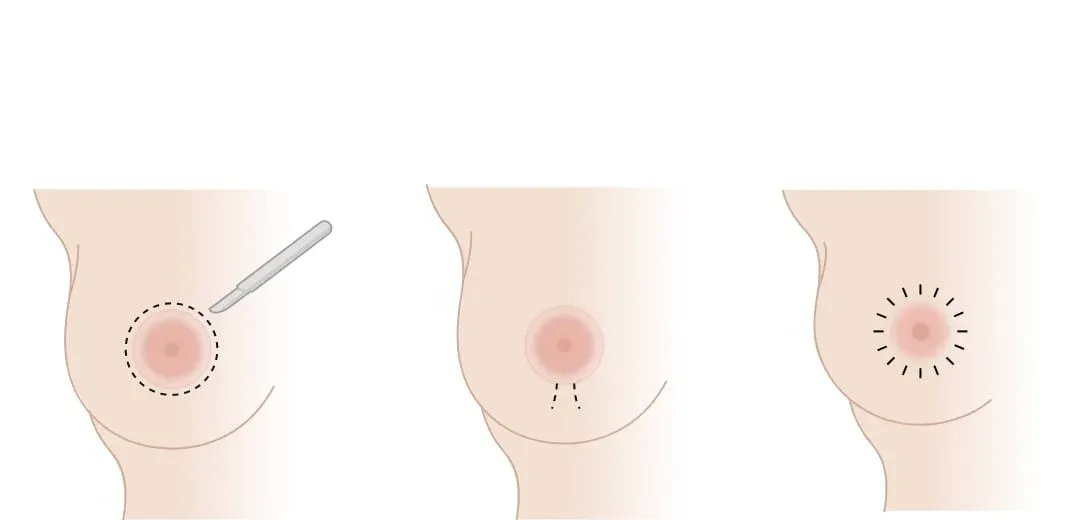
SOLUTION 1. Breast lift
This method uses your own mammary tissue rather than an artificial Implant. An incision is made around the Areolar area to remove excess skin and part of the mammary tissue, while the remaining tissue is anchored to the chest muscle to correct sagging breasts. · It uses Autologous Tissue, resulting in fewer side effects and a natural appearance. · It raises the Nipple to the desired position. · There is less scarring and nerve damage, and Nipple sensation is largely preserved.
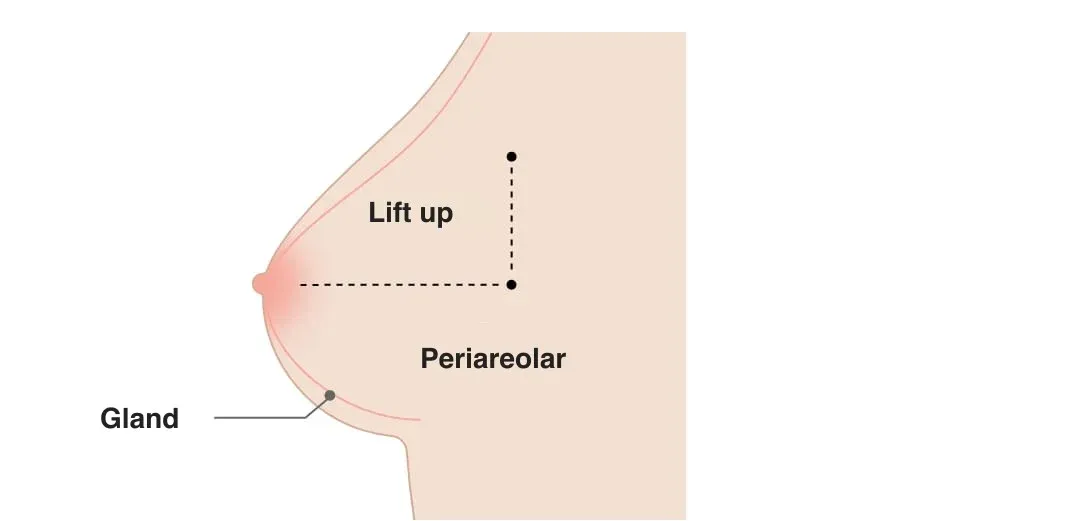
An incision is made around the Areolar area, and the mammary tissue is pulled upward and secured.
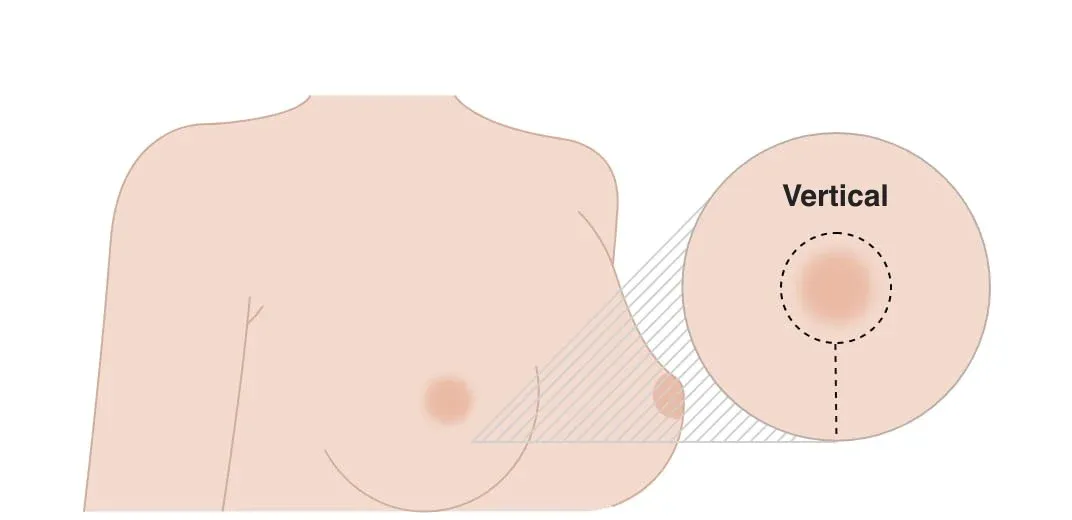
SOLUTION 2. Vertical Incision method
Suitable for most cases regardless of breast size, this method involves a vertical incision from the Areolar area to remove breast tissue. · It is effective even for severely large breasts and can create a round, full shape. · It leaves less scarring than the O-shaped incision method. · Nipple sensation is preserved, and Breastfeeding is possible after surgery.
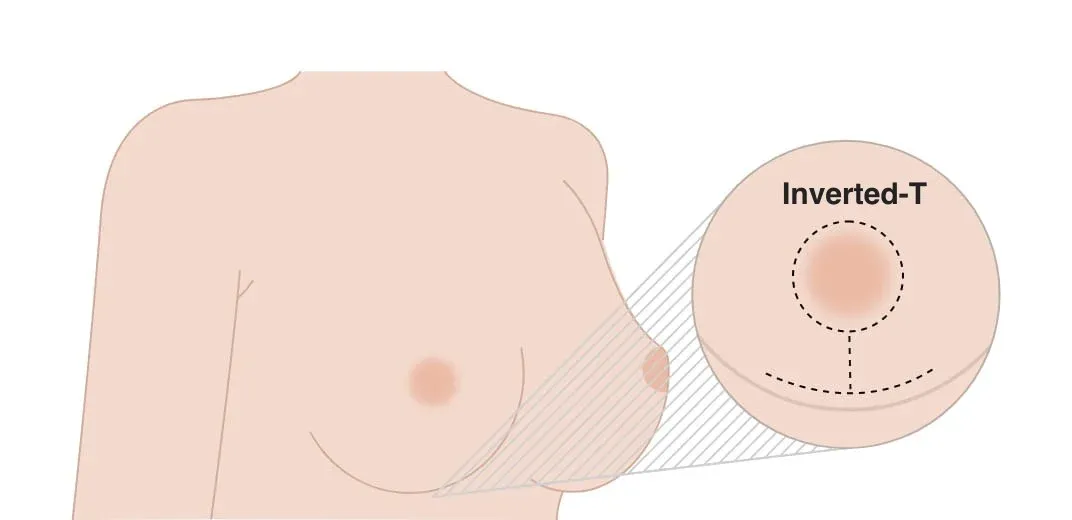
SOLUTION 3. O-shaped incision method
This method involves an O-shaped incision around and below the Areolar area and is suitable for severely large, significantly sagging breasts. It reduces a large amount of mammary tissue and skin while raising the lowered Nipple position. Because the incision is long, scarring may remain, but it gradually fades and is well concealed in the inframammary fold.
Non-surgical 1. Velody
This is a Laser lifting procedure that stimulates the dermal layer with laser waves to regenerate collagen and elastin, restoring firmness and volume. It can be performed under local anesthesia and leaves no scars because no incision is made.
Non-surgical 2. Thread Lift
This procedure inserts special biocompatible threads beneath the dermal layer using a needle to promote collagen production and reinforce skin support. With minimal foreign-body sensation and pain, it causes little disruption to daily activities.
Surgery Information
| Surgery time: 2 hours 30 minutes | Anesthesia: General anesthesia | Hospitalization: Same-day discharge | Suture removal: After 7 days | Daily activities: Possible after 3–7 days | Follow-up visits: 3 times
Please Note
Complications that may generally occur after surgery or treatment, including bleeding, infection, inflammation, nerve damage, and Capsular contracture, may vary in severity depending on the individual, so caution is required. Surgical methods and results may vary depending on individual conditions and are determined through consultation with a specialist.
 WJ WONJIN PLASTIC SURGERY