
Autologous Tissue
Price upon consultation
Category of using own tissue to reinforce nasal bridge line
Surgery Overview
AI-generated information for reference only. Please consult a doctor for accurate, personalized advice.
Implant-Free Rhinoplasty
Safe and beautiful rhinoplasty without concerns about inflammation!
Implant-free rhinoplasty is a highly advanced surgical technique performed without using artificial implants such as Silicone implants or Gore-Tex on the Nasal Bridge . It significantly reduces the likelihood of inflammation / Capsular contracture symptoms.

What Is Implant-Free Rhinoplasty?
The greatest concerns with rhinoplasty are inflammation and Capsular contracture symptoms that may occur after surgery. In general, inflammatory reactions in rhinoplasty often arise from inserted artificial implants. Therefore, implant-free rhinoplasty has a significantly lower likelihood of inflammation. If you are concerned about possible postoperative inflammation or Capsular contracture, we recommend implant-free rhinoplasty.
Cases Suitable for Implant-Free Rhinoplasty

When an Implant Is Not Needed
When the existing Nasal Bridge is high enough that an Implant does not need to be inserted
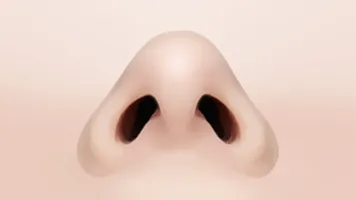
Nasal Tip Surgery Only
When only Nasal Tip surgery is performed due to reluctance toward implants, even if the existing Nasal Bridge is not high
Implant-free rhinoplasty, which does not use implants, is broadly suitable for two types of cases: when the existing Nasal Bridge is high enough that an Implant is unnecessary, or when only Nasal Tip surgery is desired due to reluctance toward implants even if the existing Nasal Bridge is not high.
Key Points of Implant-Free Rhinoplasty!
Hannive Plastic Surgery creates satisfying results without using implants through one-on-one customized consultations, focusing on the safest and most beautiful design in harmony with the Face.
✓ POINT 01: Facial design through one-on-one personalized consultation
✓ POINT 02: Implant-free rhinoplasty expertise without inflammatory reactions
✓ POINT 03: Improvement of Rhinoplasty Revision cases involving existing implants
✓ POINT 04: A natural-looking nasal line that does not look obvious
Implant-free rhinoplasty may be the safest choice, rather than simply one of many surgical methods.
Why Choose Implant-Free Rhinoplasty?

✓ Those who want a natural-looking nasal line that does not look obvious (highest proportion)
✓ Those who are reluctant to use Silicone implant/Gore-Tex artificial implants
✓ Those unable to use implants due to inflammation/Capsular contracture after their first surgery
✓ Other reasons
Implant-Free Rhinoplasty Methods
Implant-free rhinoplasty mainly uses Autologous Cartilage and is performed using different methods in two primary types of cases.
Implant-Free Rhinoplasty (When an Implant Is Not Needed Because the Nasal Bridge Is High)
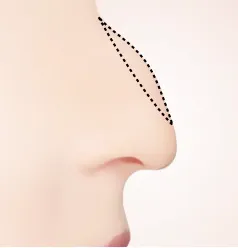
Step 1: If there is a dorsal hump on the Nasal Bridge, remove the hump; if the hump removal area is wide, osteotomy is also performed. If the Nasal Bridge is simply wide, only osteotomy is performed.
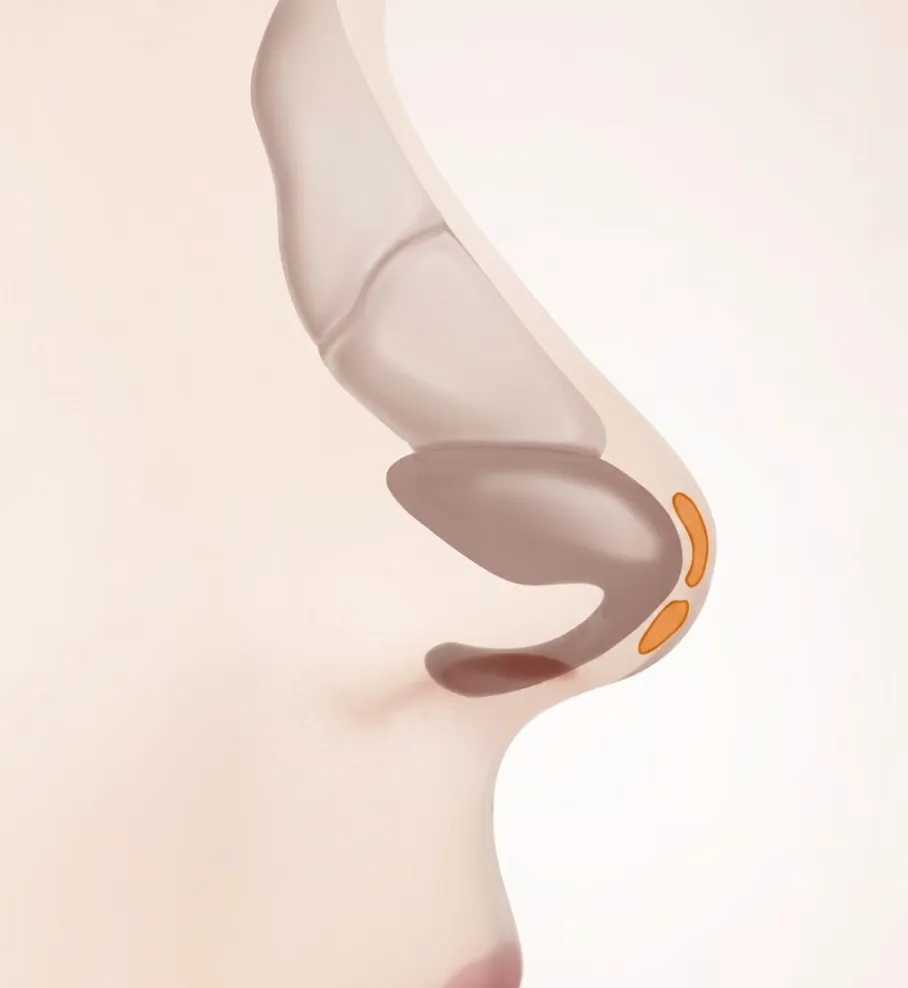
Step 2: Perform Nasal Tip surgery using Autologous Cartilage. Complete a line that naturally connects the Nasal Bridge to the Nasal Tip.
Nasal Tip Surgery (When Only Nasal Tip Surgery Is Performed Because There Is No Significant Issue With the Nasal Bridge)
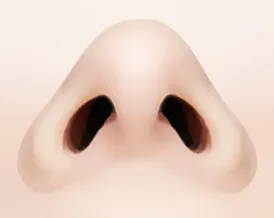
Step 1: Nasal Tip surgery using Autologous Cartilage.
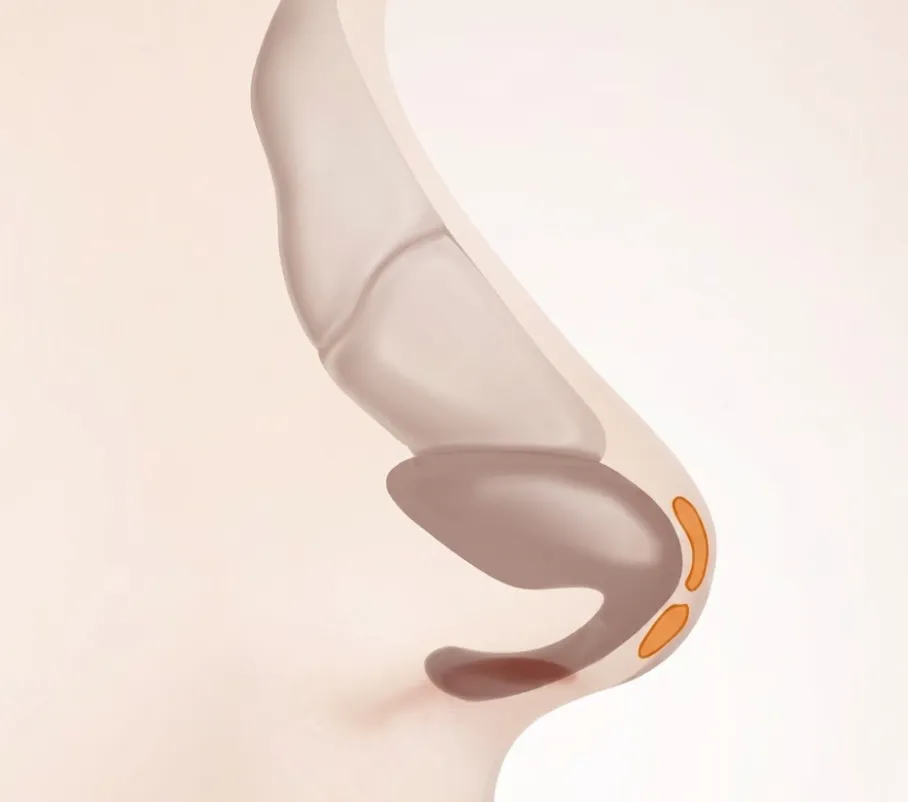
Step 2: Smoothly connect the junction between the Nasal Bridge and Nasal Tip with Autologous Cartilage to prevent an uneven nasal line.
Know-How for Preventing Revision surgery Using the Nasal Bridge and Cartilage
To address the issue of absorption in the body when using Autologous Cartilage, the cartilage is finely crushed and secured to create the most ideal nasal line for the Face.
Procedure Process
STEP 01. Rib Cartilage Crushing
Evenly crush the harvested Rib Cartilage.
STEP 02. Shape Creation
Harden the Rib Cartilage particles with a special solution to create the shape.
STEP 03. Nasal Bridge Insertion
After shaping the nasal line, inject the Rib Cartilage particles into the nose.
Less than 1% revision surgery rate due to absorption in the body when using the cartilage-crushing method
* The cartilage-crushing surgical method, also called No-Implant Rhinoplasty, is already a common surgical method overseas. However, because it takes a long time and requires more than twice the effort and concentration compared with conventional rhinoplasty, it is very difficult to perform without know-how gained through numerous cases.
Thorough 0.01 mm Analysis to Prevent Revision surgery
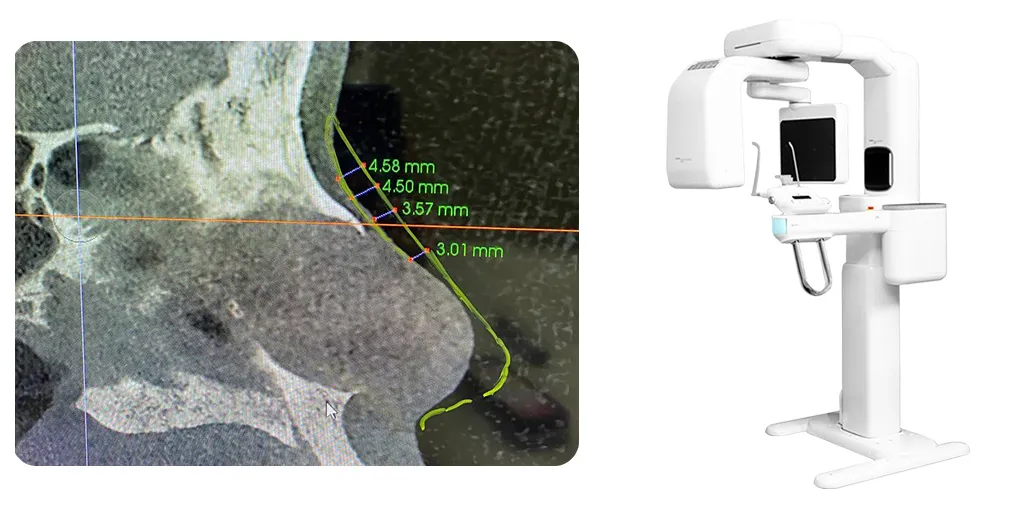
Hannive Plastic Surgery analyzes in 0.01 mm units from every angle based on 3D-CT imaging. The current condition is comparatively analyzed, and rhinoplasty is ultimately performed after sufficient consultation with the medical staff.
Types and Characteristics of Autologous Cartilage
Hannive Plastic Surgery provides the most suitable solution.
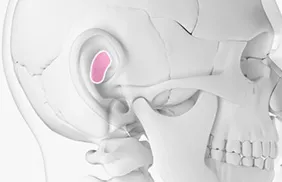
Ear Cartilage
Autologous Tissue that naturally shapes the Nasal Tip and has less show-through
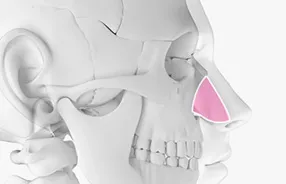
Septal Cartilage
Cartilage inside the nose and the most basic Autologous Tissue used in rhinoplasty
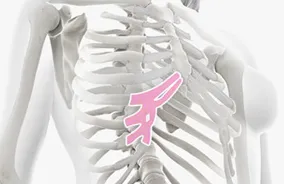
Rib Cartilage
An Implant used when Ear Cartilage or Septal Cartilage is insufficient or when firmer Cartilage is needed
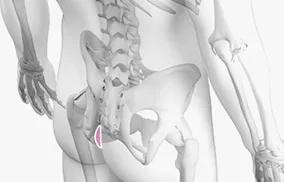
Autologous Dermal Fat
Autologous Tissue used when the skin on the nasal dorsum is thin or Soft Tissue is insufficient
Rhinoplasty Before-and-After Images (BEFORE & AFTER)
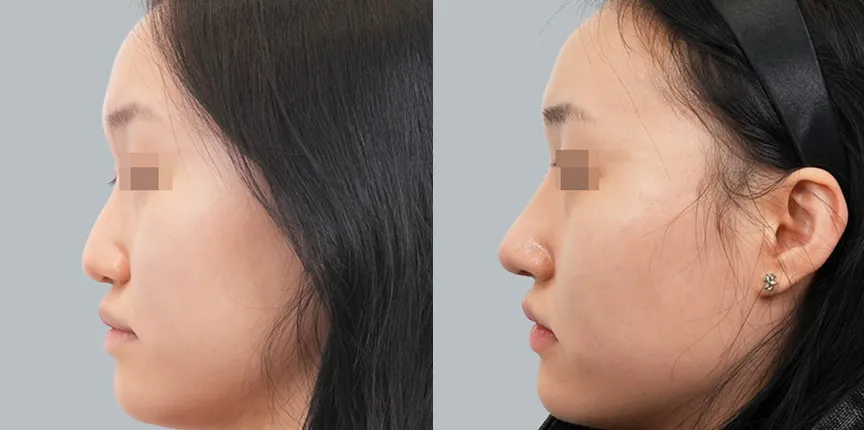
Autologous Rib Cartilage + No-Implant

Autologous Rib Cartilage + No-Implant Rhinoplasty Revision
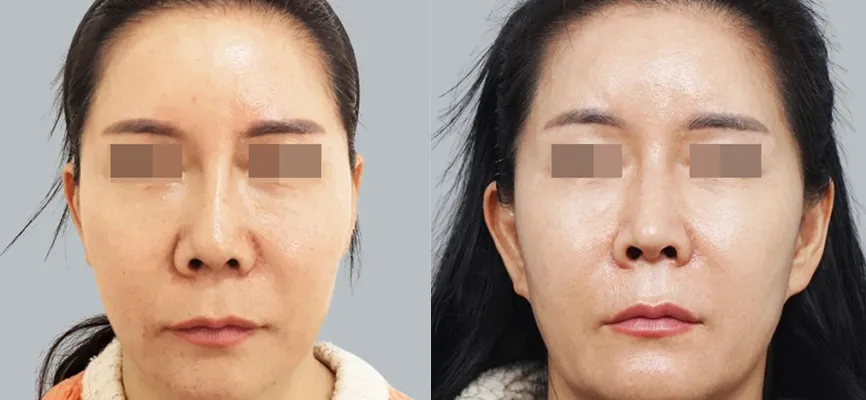
Crooked Nose Correction + Autologous Rib Cartilage + No-Implant Rhinoplasty Revision
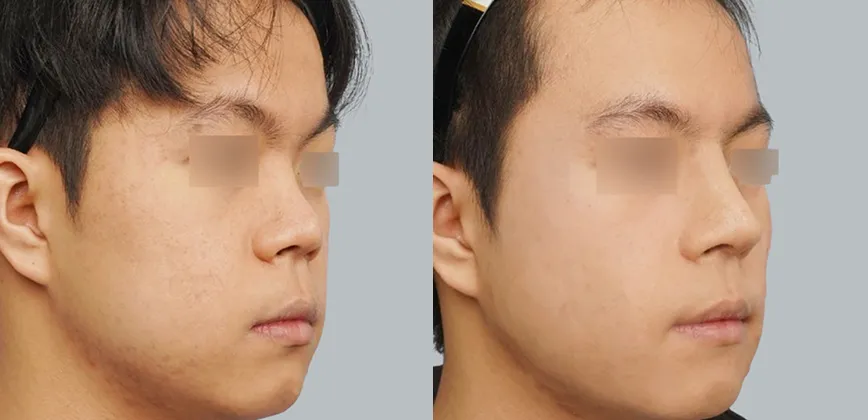
Autologous Rib Cartilage + No-Implant
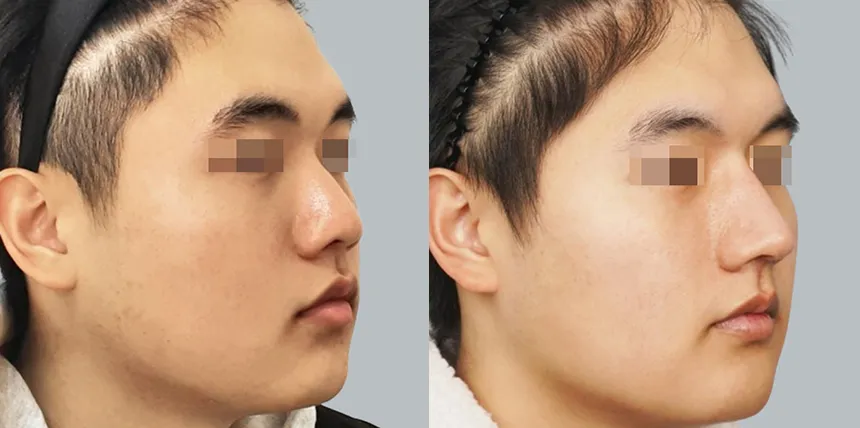
Autologous Rib Cartilage + No-Implant
* Complications that may generally occur after surgery, such as bleeding, infection, and inflammation, may vary in severity depending on the individual, so caution is required.
Q&A
Frequently Asked Questions About Implant-Free Rhinoplasty
Q. What materials are used for implant-free rhinoplasty?
A. Septal Cartilage or septal bone, Ear Cartilage, ear dermis, breast cartilage, breast cartilage membrane, Buttocks dermis, and donor tissues (Donor Rib Cartilage and donor dermis) are mainly used. Only safe and proven materials are used.
Q. Will it be noticeable even on an X-ray?
A. Because implant-free rhinoplasty uses materials with components such as actual human dermis or Cartilage, it is not visible at all on X-ray examinations used at airports or hospitals.
Q. I am concerned about tissue rejection after surgery.
A. Only materials from which HLA (Human leucocyte antigen), a substance that causes immune rejection after transplantation, has been removed are used, so the likelihood of tissue rejection is very low.
Q. Are donor dermis/cartilage products used as materials safe?
A. Only Donor Rib Cartilage/dermis approved by the U.S. FDA and Korea's Ministry of Food and Drug Safety are used for rhinoplasty. They are characterized by excellent tissue compatibility and safety.
Hannive Perfect Customized Rhinoplasty
We provide personalized rhinoplasty tailored to each individual, without following trends!
Thorough Preoperative Examinations With 3D-CT and ENT Endoscope
CT, nasal Endoscope, EKG, blood tests, and more in one visit—ONE STOP
One-on-One Customized Nasal Implant Production
Production of a one-of-a-kind customized Implant just for you
Therapeutic + Cosmetic Rhinoplasty Revision
Septoplasty, rhinitis, and nasal valve stenosis improvement procedures
Inpatient Rooms and On-Site Nursing Care
Officially registered inpatient rooms and on-site nursing staff (no caregiver required)
Only a dedicated team of board-certified plastic surgeons with proven rhinoplasty expertise in Gangnam performs the procedures!
Director Kim Ji-su, Board-Certified Plastic Surgeon
Former Director of Rhinoplasty, Wonjin Plastic Surgery Former Director of the Rhinoplasty Center, G&G Plastic Surgery

Only rhinoplasty-specialized board-certified plastic surgeons with experience in thousands of cases at rhinoplasty centers perform nasal surgery to achieve optimal results.
Meticulous Nasal Care and Thorough Follow-Up Management for Greater Satisfaction!
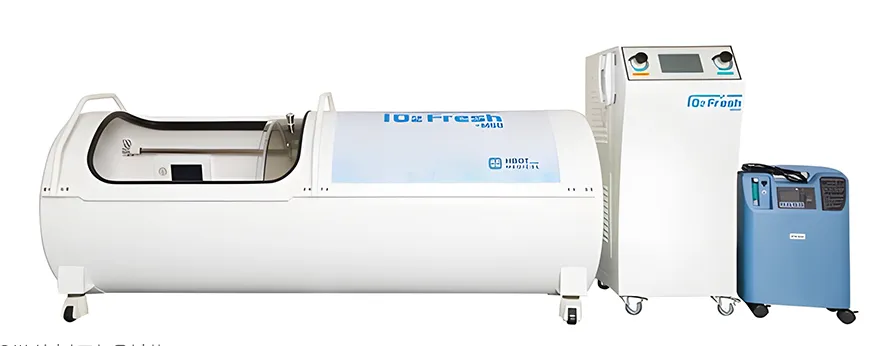
To prevent postoperative inflammation and Capsular contracture after rhinoplasty, we enhance satisfaction with surgical results through thorough postoperative care programs, including oxygen chambers used at university hospitals.
Is There Any Reason Not to Have Rhinoplasty at Hannive Plastic Surgery?

Private Large Parking Facility and Valet Parking Service Available at Only a Very Few Hospitals
Unlike the majority of hospitals operating in rented or leased spaces, we own our building and provide a spacious, comfortable parking area and valet parking service, allowing you to focus on your surgery and enhancing satisfaction.
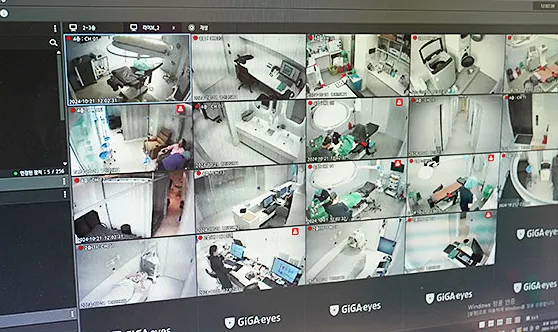
A Hospital You Can Trust! CCTV in Every Operating Room & Weekday Emergency Evening Care Available
The entire process in the operating room can be viewed through high-resolution CCTV, and a system is in place to provide emergency evening care on weekdays.

Far More Rhinoplasty Cases Than Typical Gangnam Clinics
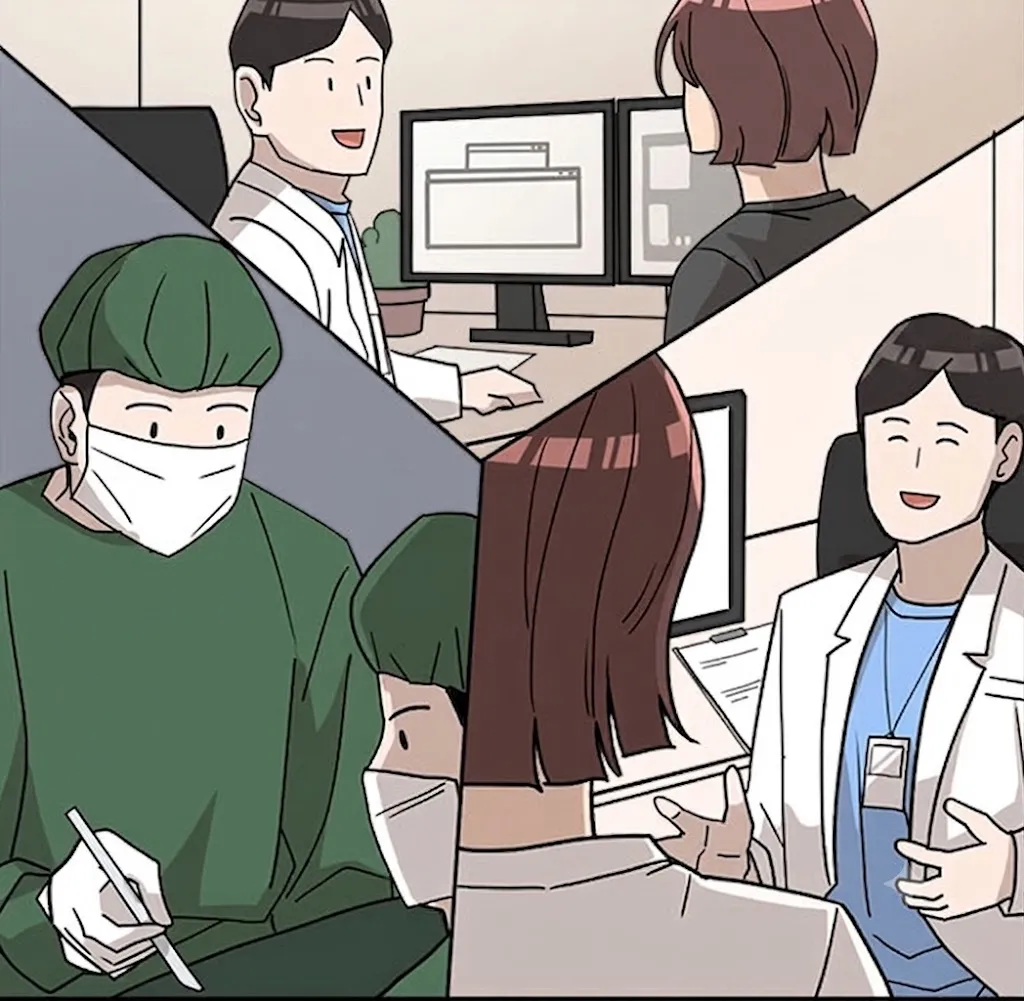
One Primary Doctor Is Responsible for Consultation, Surgery, and Follow-Up Care
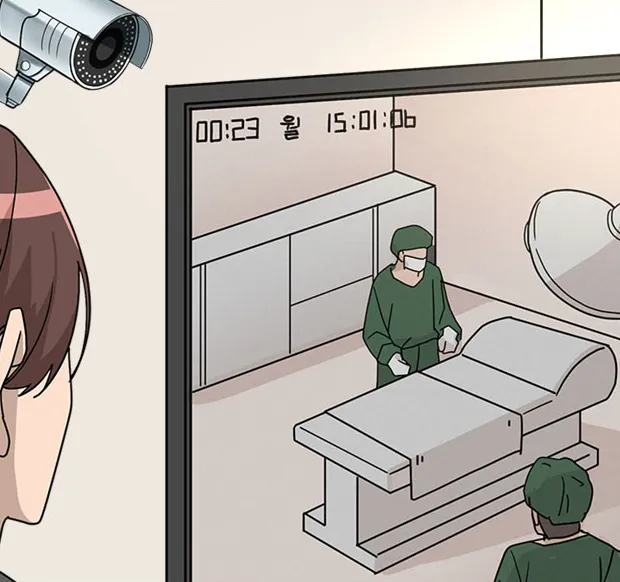
CCTV Footage Can Also Be Reviewed if You Have Questions About the Surgery (Anesthesiology Specialist Also On Site)

University Hospital-Level Safety System and Outstanding Results
7 Board-Certified Plastic Surgeons
The Only One in the Area! Specialized Medical Staff in Each Field
The largest gathering of board-certified plastic surgeons in the area!

On-Site Care by an Anesthesiology and Pain Medicine Specialist
Hannive is the only one in the area.

Responsible for and provides care for all anesthesia at Hannive.
Hannive Plastic Surgery & Dermatology always strives for better treatment outcomes.

✓ Establishment of collaborative care among medical staff in each specialty through extensive surgical experience and Hannive's own know-how
✓ An on-site anesthesiology and pain medicine specialist dedicated to surgical anesthesia as well as postoperative care
✓ A systematic approach tailored to the individual characteristics and constitution of each case, rather than the same surgery for everyone
✓ A range of effective equipment certified domestically and internationally
 Hannaive Plastic Surgery