
Autologous Tissue
from 6,000,000 KRW* VAT Not Included
Differences in outcomes become more apparent in challenging cases: JW autologous rib cartilage rhinoplasty
Surgery Overview

The more challenging the nose, the greater the difference in results.
JW Autologous Rib Cartilage Rhinoplasty
Minimal-incision harvesting + precise cartilage carving + reliable correction
| Surgery Duration
4 hours
| Anesthesia
General anesthesia
| Hospitalization
None
| Suture Removal
7 days
| Number of Visits
2–3 times
| Return to Daily Activities
After 7 days
What Is JW Jeongwon Autologous Rib Cartilage (Chest Cartilage) Rhinoplasty?
Rib Cartilage refers to the cartilage located at the ends of the ribs.
The Rib Cartilage used at our clinic is primarily taken from the 6th, 7th, and 8th ribs, and is stronger and more durable than Ear Cartilage or Septal Cartilage. It can therefore provide firmer nasal support and is commonly used for Rhinoplasty Revision or reconstruction.
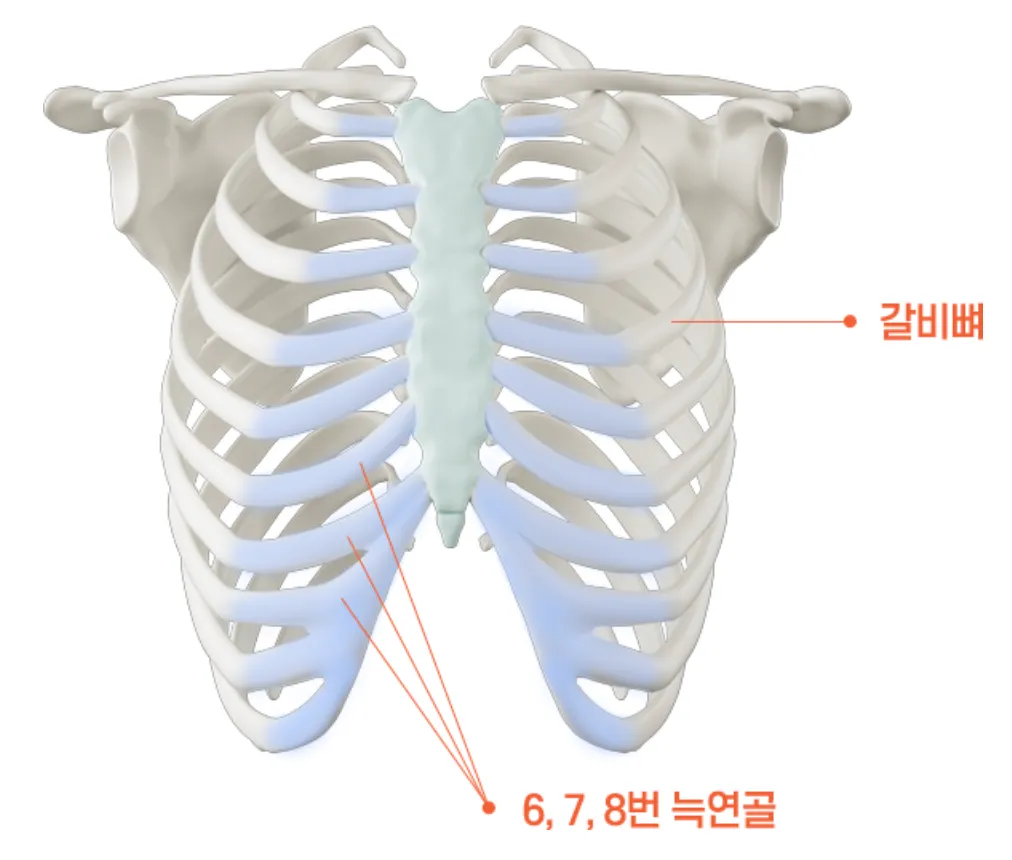
What Makes JW Rib Cartilage Rhinoplasty Special
SPECIAL 01
A larger amount can be harvested compared to Septal Cartilage or Ear Cartilage, allowing sufficient lengthening.
SPECIAL 02
Even a short or low nose can be transformed into a refined, well-defined nose.
SPECIAL 03
There is no risk of rejection that may occur with an Implant.
SPECIAL 04
When the Nasal Tip droops downward, it is used as a support to provide firm elevation.
SPECIAL 05
By anticipating potential post-rhinoplasty bending, asymmetry, and absorption, revision surgery can be prevented.
SPECIAL 06
In Revision surgery, tissue quality may be poor, requiring not only aesthetic expertise but also our clinic's functional surgical capabilities.
SPECIAL 07
Therefore, surgery should be decided upon after thorough consultation and diagnosis with a specialist who has extensive research and experience.
JW Jeongwon's Meticulous Rib Cartilage Harvesting Method
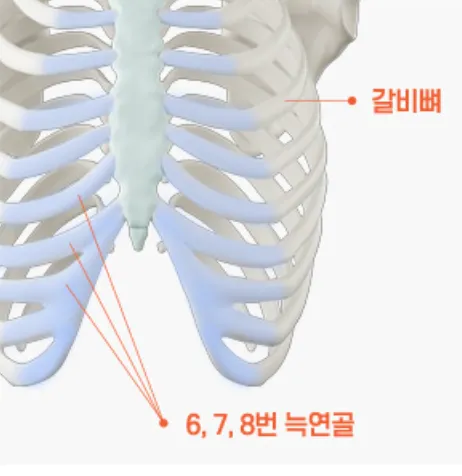
01. Rib Cartilage Harvesting Through a Minimal Incision
A 2–3 cm minimal incision using JW Jeongwon's specialized technique
The subcutaneous layer is meticulously sutured with dissolvable sutures, and the skin surface is sealed with special tape to minimize scarring. Showering is possible 2–3 days after surgery. The incision is located in the inframammary fold, making it inconspicuous.
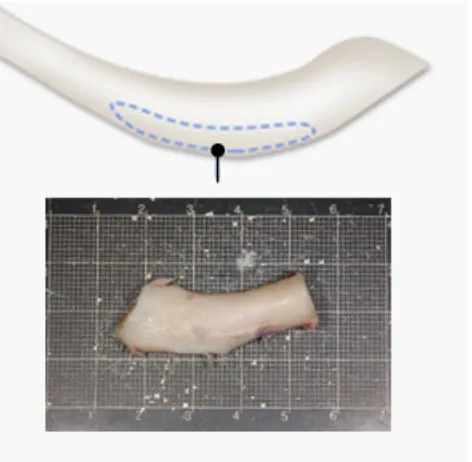
02. Carving the Harvested Rib Cartilage Into the Required Shape
Meticulous customized fabrication based on JW Jeongwon's extensive expertise
Based on experience with diverse cases and advanced techniques, the Rib Cartilage is carved while anticipating its characteristics and the eventual shape it will take.
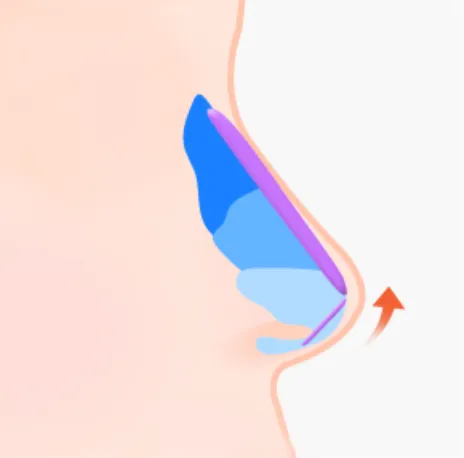
03. Insertion of Rib Cartilage in the Precise Position
Reliable corrective capability that addresses existing issues using JW Jeongwon's specialized technique
The cause is analyzed and corrected with aesthetic and functional considerations to reliably improve a variety of patient concerns, including a short nose due to Capsular contracture or a drooping Nasal Tip.
JW Jeongwon's Prevention Method for Rib Cartilage Warping
To prevent rib cartilage warping, known as a disadvantage of Rib Cartilage rhinoplasty, our clinic uses techniques developed and presented at academic conferences, including the slicing technique, concentric carving, and multi-layered rib cartilage graft.
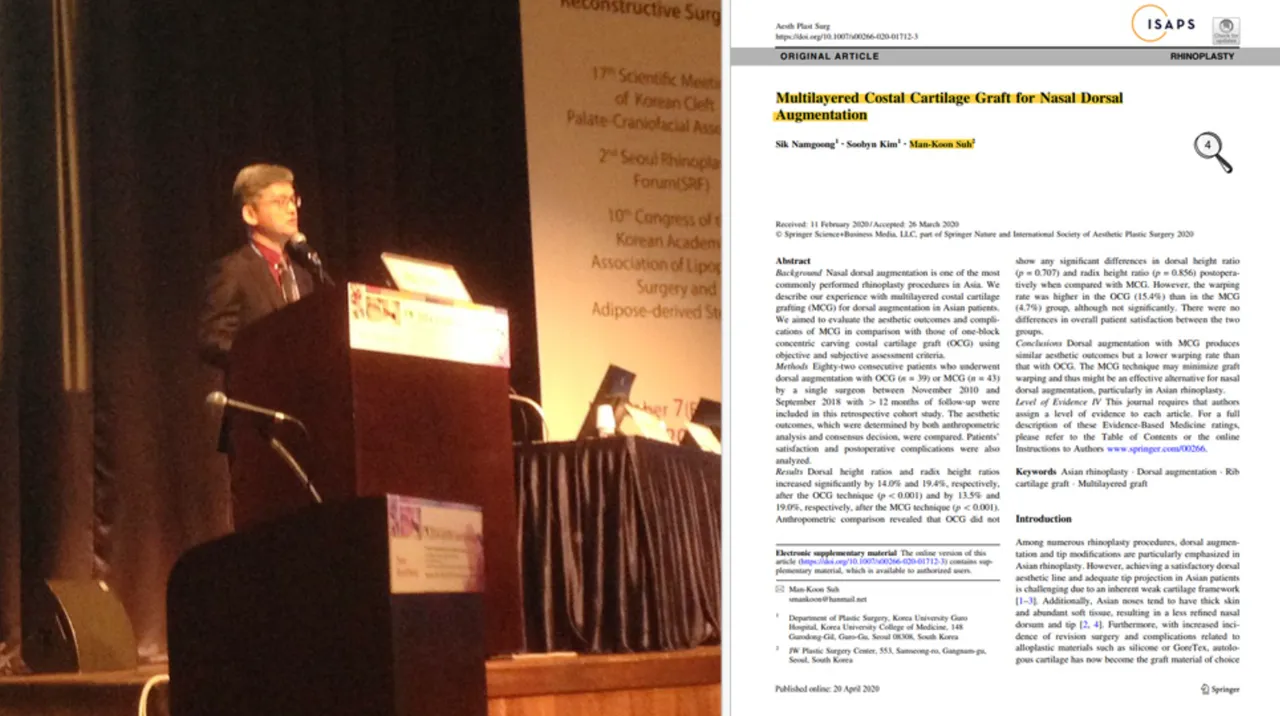
JW Jeongwon's Core Technique: Rib Cartilage Carving
01. Nasal Bridge Augmentation
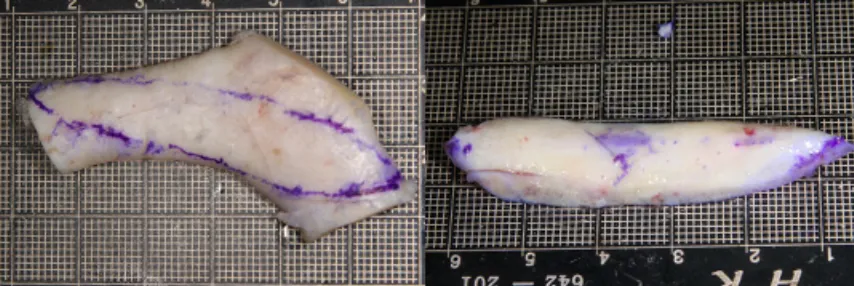
Nasal Bridge: For Thick Skin
The core portion of Rib Cartilage is shaped like Silicone implant for use on the Nasal Bridge.
Because a sufficient amount of Cartilage can be harvested, even a very short and low nose can be made higher and more defined.
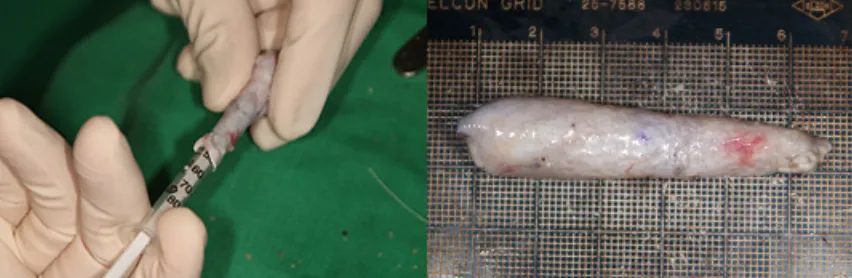
Nasal Bridge: For Thin Skin
Diced cartilage graft: Rib Cartilage is evenly crushed, wrapped in fascia, and used for Nasal Bridge augmentation.
Because Rib Cartilage is firm, shaping it directly like a Silicone implant may be visible in patients with thin skin. At our clinic, the Cartilage is crushed, wrapped in fascia, and inserted to create a natural-looking nose.
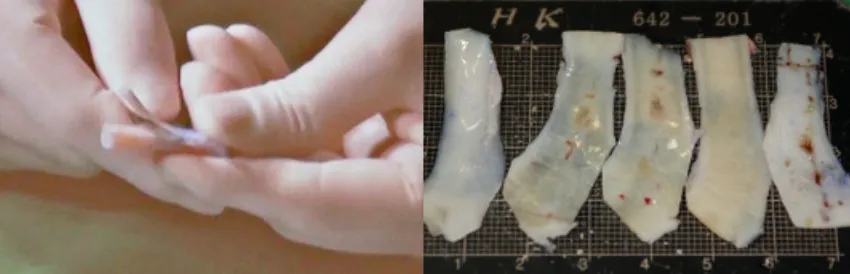
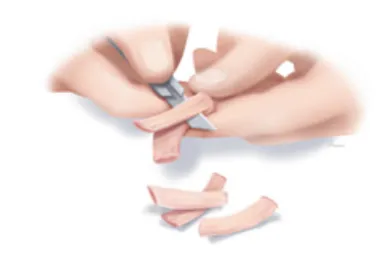
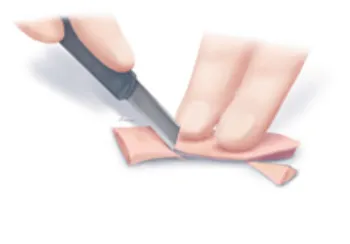
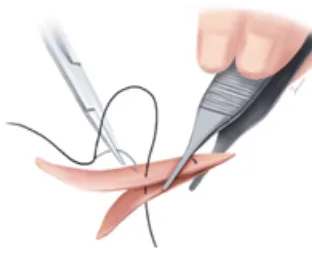
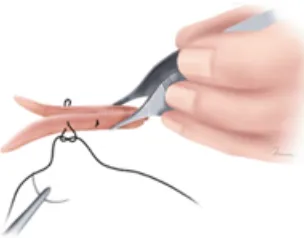
Nasal Bridge: Multi-Layer Rib Cartilage Carving Method
Two pieces of Cartilage oriented in opposite directions are layered together for greater strength.
Since a single piece of Cartilage may bend due to its properties, harvested Rib Cartilage is thinly and precisely refined as if sliced, then layered in multiple layers to augment the Nasal Bridge.
STEP 01
STEP 02
STEP 03
STEP 04
STEP 05
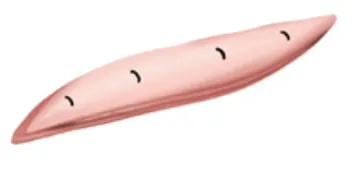
02. 3D-Fit Glued Diced Cartilage
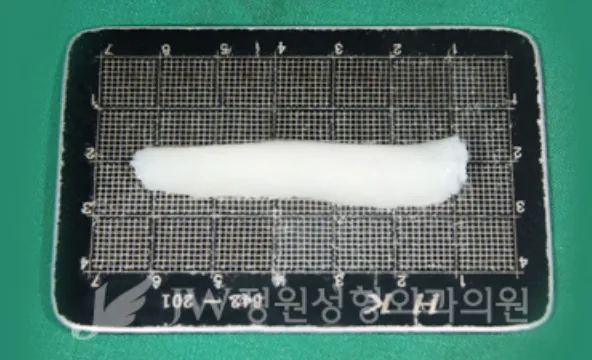
3D-Fit Glued Diced Cartilage
After discussing the desired nasal shape with a specialist before surgery and designing it using a simulation program, finely carved Cartilage is fixed with glue inside a customized 3D-printed mold based on the design to create a customized cartilage graft.
· Precise 1:1 customized molds are produced using CT and simulation.
· The use of Autologous Rib Cartilage creates a natural line and minimizes the possibility of side effects.
· Because the contour does not show through, the edge boundaries are not visible and there is no warping.
· The desired shape and height can be achieved, providing results optimized for each individual.
STEP 01
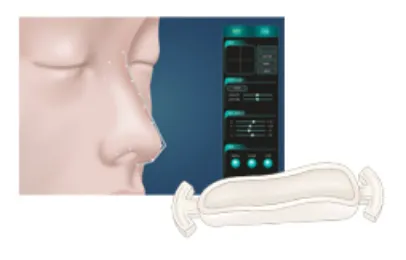
After creating a mold tailored to the patient's needs, finely cut Rib Cartilage is secured with glue.
STEP 02
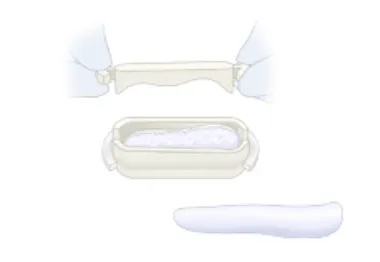
Completion of 3D-Fit Glued Diced Cartilage
STEP 03
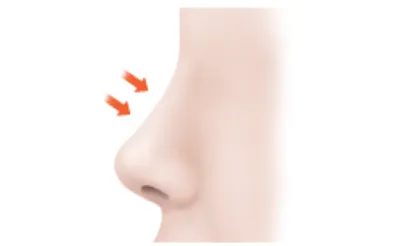
Nasal Bridge Correction
03. Nasal Tip Surgery

Preventing Warping With Cartilage Pieces
Cartilage pieces sliced using a special method are used symmetrically in two layers to prevent warping.
Safer Surgery With an Endoscope
Rhinoplasty using an Endoscope is an advanced technique for performing surgery more safely and requires extensive clinical experience and expertise from the medical team.
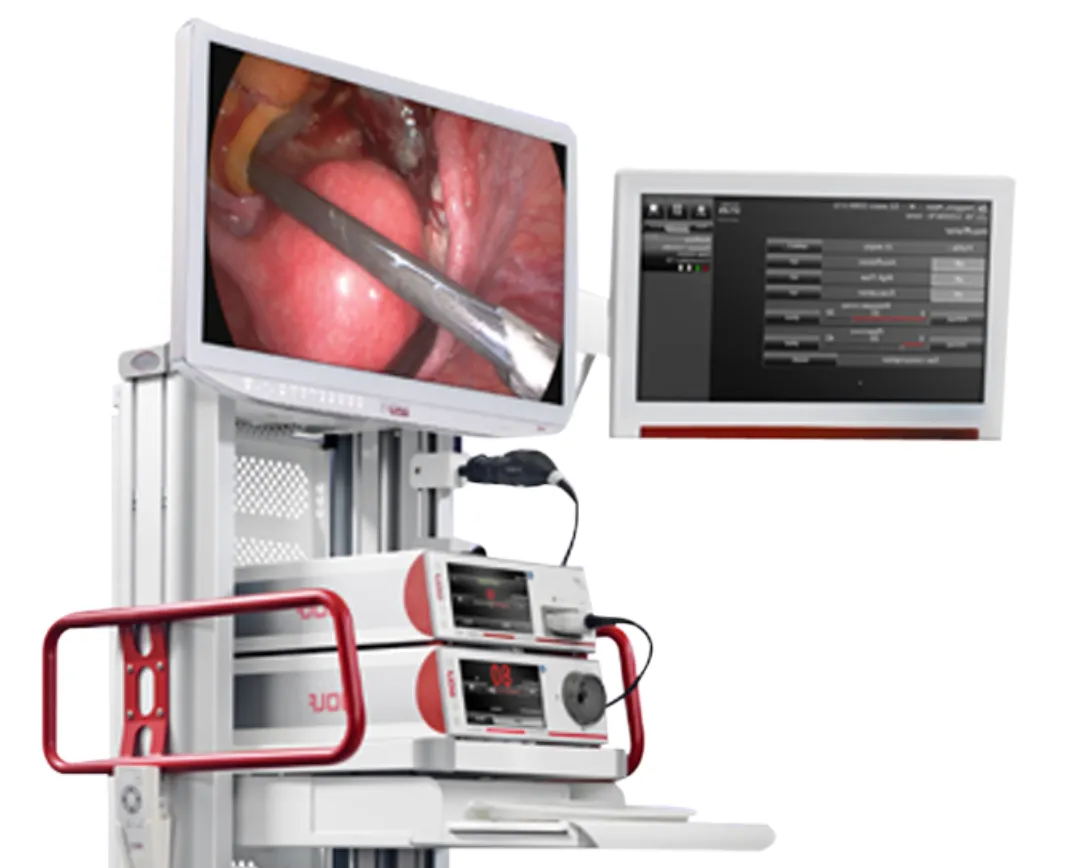
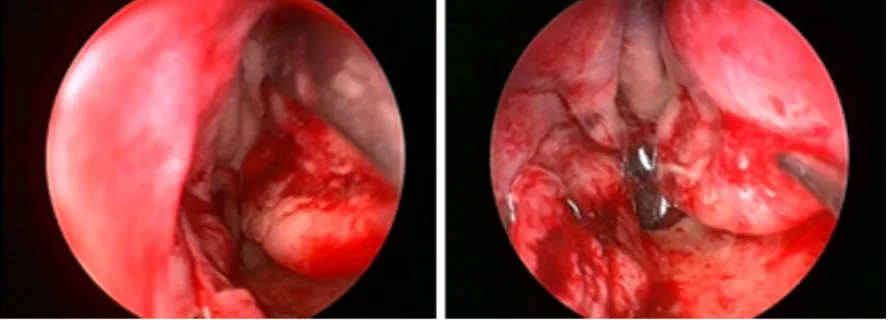
Septoplasty and Inferior Turbinate Correction
| Sufficient visibility inside the nose
| Minimized bruising and swelling through minimal bleeding
| Safe and precise surgery
| Minimized unseen damage and pain
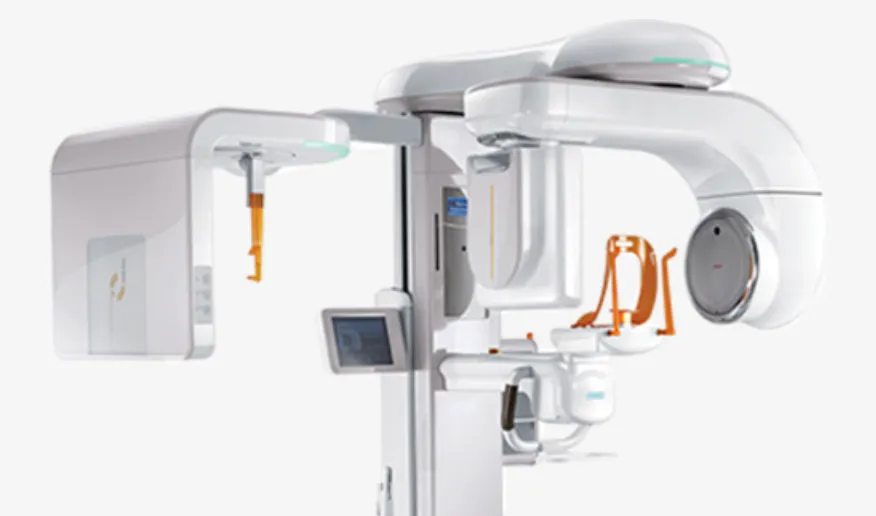
In-Depth Examination Through 3D-CT Analysis
Before surgery, 3D-CT analysis precisely examines not only the patient's nasal bones but also the shape, condition, and size of the Soft Tissue around the nose to plan a personalized 1:1 procedure for each patient.
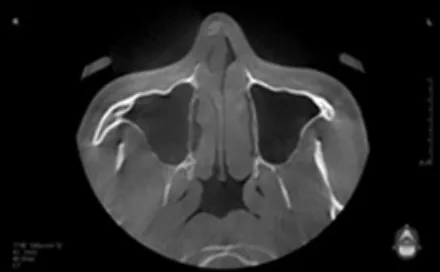
Cartilage asymmetry and the presence of Septoplasty
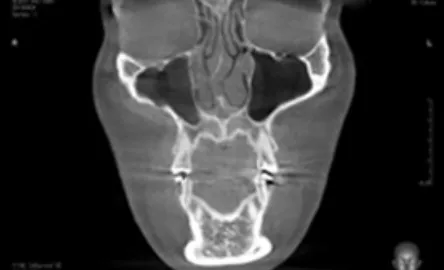
Inferior turbinate hypertrophy and Nasal Obstruction Correction
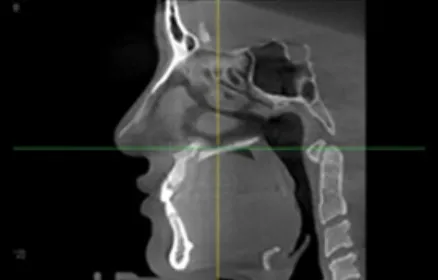
Analysis of the condition and size of Septal Cartilage
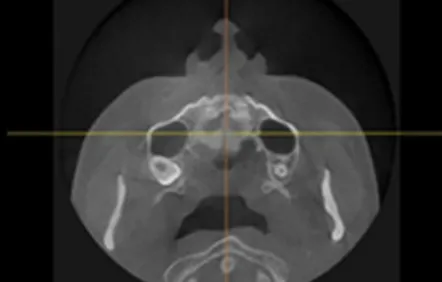
Nasal bone width
Preoperative Precautions for Autologous Rib Cartilage Rhinoplasty
01
Stop taking medications that interfere with hemostasis, such as contraceptives, hormonal medications, vitamin E, and aspirin, beginning 2 weeks before surgery. If you are being treated for conditions such as hypertension, heart disease, diabetes, or thyroid disease, be sure to inform your doctor or coordinator in advance.
02
It is recommended to stop smoking beginning 2 weeks before surgery.
03
If you have a severe cold on the day of surgery, your airway and respiratory system may be abnormal. Be sure to inform your doctor or coordinator in advance before surgery.
04
Contact lenses, jewelry, nail polish, makeup, and similar items may interfere with surgery, so please remove them before coming to the hospital on the day of surgery.
Postoperative Care for Autologous Rib Cartilage Rhinoplasty
01
Keeping the surgical area slightly elevated above heart level helps reduce swelling.
02
Apply ice packs for 2–3 days after surgery.
03
For about one month after surgery, avoid excessive friction on the surgical area and meridian massage. It is recommended to wait at least one month after surgery before using saunas or steam rooms.
04
Avoid alcohol and smoking, as they delay wound healing. If unavoidable, wait at least 4 weeks.
05
Light exercise such as walking may be resumed immediately after surgery, but strenuous activities such as aerobics, tennis, and swimming should be resumed only after approximately 3–4 weeks.
 JW PLASTIC SURGERY