Autologous Rib Cartilage
from 6,300,000 KRW* VAT Not Included
This is a rhinoplasty procedure that uses the patient’s own 9th–10th costal cartilage, harvested through an approximately 1.5–2 cm incision, for the nasal dorsum and tip. Due to its high structural support and durability, it is used for revision cases with insufficient cartilage, severe asymmetry, and contracted nose deformities. Emphasis is placed on carving techniques to minimize warping of the harvested cartilage.
Surgery Overview
This rhinoplasty uses your own 9th–10th Rib Cartilage, harvested through an approximately 1.5–2 cm incision, for the Nasal Bridge and Nasal Tip. With strong support and durability, it is used for Revision surgery cases with insufficient Cartilage, severe asymmetry, or contracture nose; special emphasis is placed on carving to reduce warping of the harvested Cartilage.

Create a nasal line using Autologous Rib Cartilage, which offers safety, a low absorption rate, and firmness.
Recommended for
· Those who want a more defined nose · Those concerned about drooping of the Nasal Tip · Those with insufficient Cartilage due to multiple Rhinoplasty Revisions · Those with severe asymmetry or in need of Facial Skeletal Reconstruction · Those who need nasal lengthening due to severe capsular contracture nose
What makes Wonderful Autologous Rib Cartilage Rhinoplasty special

· Safe Rib Cartilage harvesting · Delicate Rib Cartilage carving techniques · A refined nasal line tailored to your nose · Minimization of scars at the Rib Cartilage harvest site · Nasal solutions based on precise analysis
Characteristics and uses of Rib Cartilage
Rib Cartilage is Breast Cartilage located beneath the ribs. It provides stronger support and durability than other Cartilage used in rhinoplasty, allowing for a high, straight Nasal Bridge and a natural Nasal Tip even in cases of congenitally underdeveloped noses.
Criteria for selecting Rib Cartilage material
Donor Rib Cartilage
· Advantages: No separate harvesting procedure is required. · Strength and engraftment rate: These may vary depending on the donated Cartilage, and engraftment is lower than with Autologous Rib Cartilage. · Disadvantages: The absorption rate is higher than with Autologous Rib Cartilage.
Autologous Rib Cartilage
· Advantages: A sufficient amount can be harvested as needed, allowing flexible use for the Nasal Bridge and Nasal Tip. · Strength and engraftment rate: Its high strength allows use for the Nasal Bridge and Nasal Tip, and its high engraftment rate lowers the possibility of side effects. · Disadvantages: Scarring may occur from Rib Cartilage harvesting.
Wonderful Autologous Rib Cartilage Rhinoplasty: Key Points
Point 1. Rib Cartilage harvesting through a minimal incision
To secure sufficient length and width, the 9th–10th Rib Cartilage at the end of the rib cage is harvested through a minimal incision of approximately 1.5–2 cm.
Point 2. Expertise in preventing warping
To prevent warping, in which harvested Cartilage attempts to return to its original shape, experienced medical staff delicately refine the Cartilage using Wonderful's precise carving technique.
Point 3. Customized nasal design harmonious with your Face
A straight Nasal Bridge, Nasal Tip enhancement, and a sturdy support structure—by making the most of the strong support and durability of Rib Cartilage, we provide a customized design that harmonizes with each individual's nasal structure.
Point 4. Minimizing Rib Cartilage harvest scars
After harvesting Autologous Rib Cartilage through a 1.5–2 cm micro-incision, the area is meticulously sutured so that the Scar Revision gradually fades over time and becomes barely noticeable.
Types of Wonderful Autologous Rib Cartilage Rhinoplasty
Review 01. Bulbous Nose correction (Autologous Rib Cartilage)
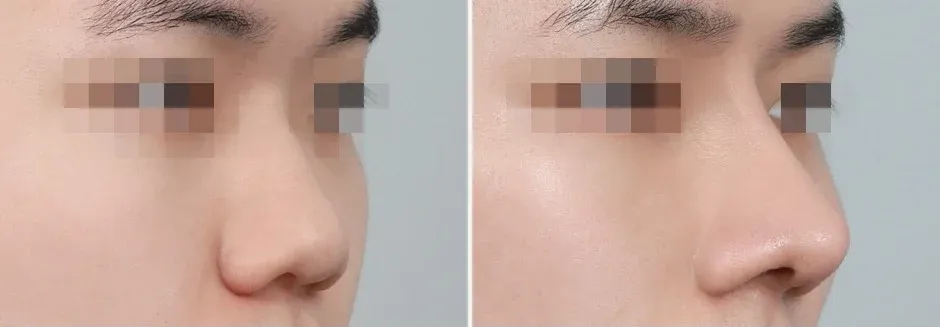
Before surgery → 1 month after surgery
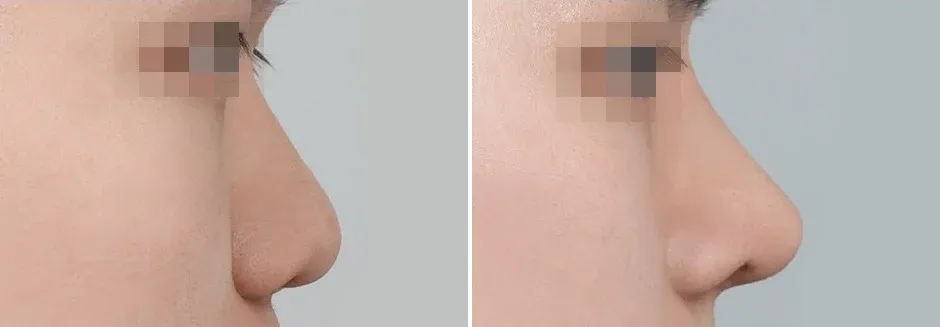
Before surgery → 1 month after surgery
Review 02. Bulbous Nose correction (Autologous Rib Cartilage + Ear Cartilage)
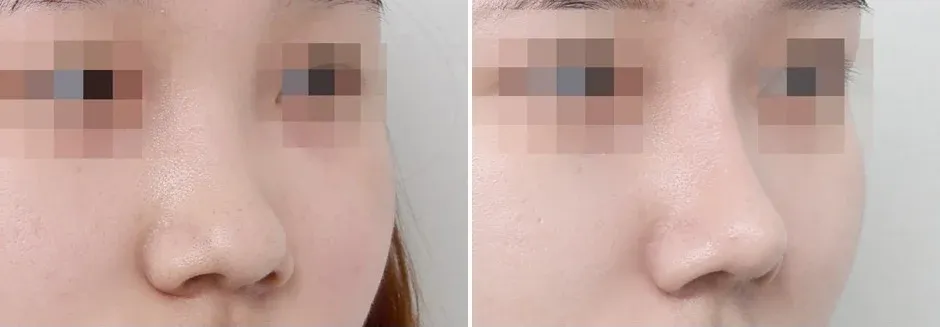
Before surgery → 1 month after surgery
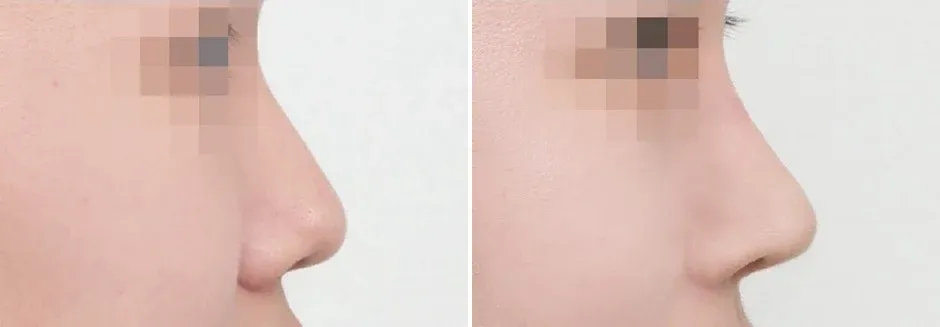
Before surgery → 1 month after surgery
Review 03. Primary rhinoplasty (Autologous Rib Cartilage)
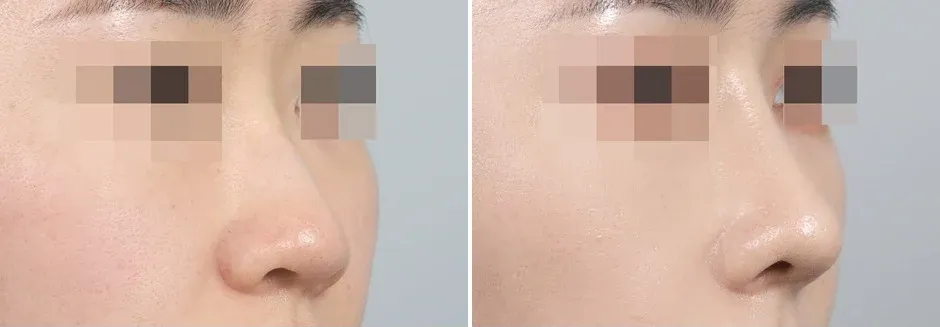
Before surgery → 1 month after surgery
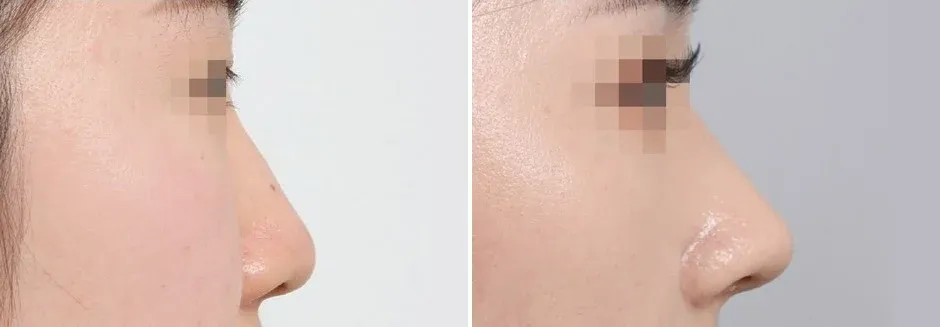
Before surgery → 1 month after surgery
Wonderful Autologous Rib Cartilage Rhinoplasty Procedure
Drawing on the extensive experience and expertise of board-certified plastic surgeons, we create a natural nasal line harmonious with facial proportions through one-on-one personalized consultations with the attending specialist. From your visit and consultation to postoperative care, the process is carried out through a systematic program.

STEP 1. Hospital visit
We welcome patients in a comfortable hospital environment.
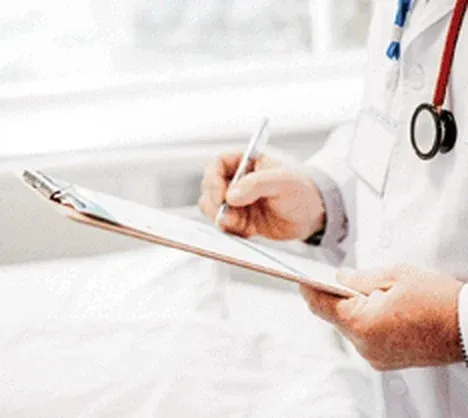
STEP 2. Medical history form
A medical history form is completed to collect the patient's personal information.
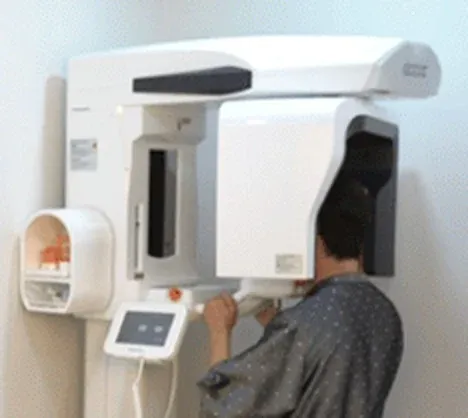
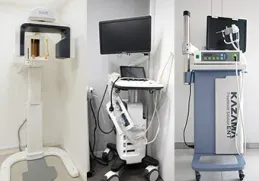
STEP 3. 3D-CT scan
A 3D-CT scan is performed for a more accurate diagnosis.
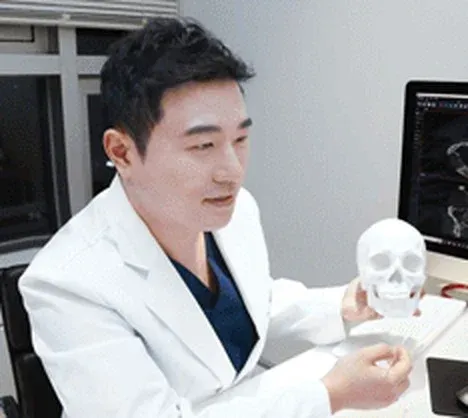
STEP 4. Consultation
Through consultation, we assess the patient's condition and fully reflect their requirements.
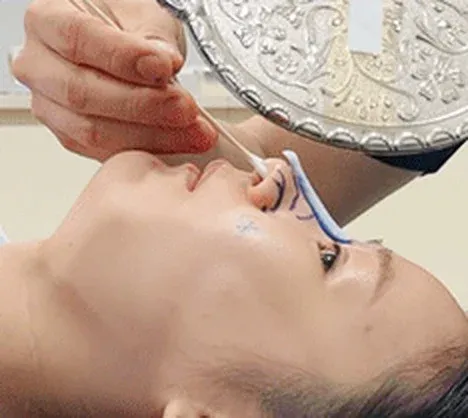
STEP 5. Surgical planning
A thorough surgical plan is established based on the analysis results.
STEP 6. Surgery
The procedure is performed precisely according to the established surgical plan.
STEP 7. Surgical outcome check
We carefully check whether the procedure was completed as planned.
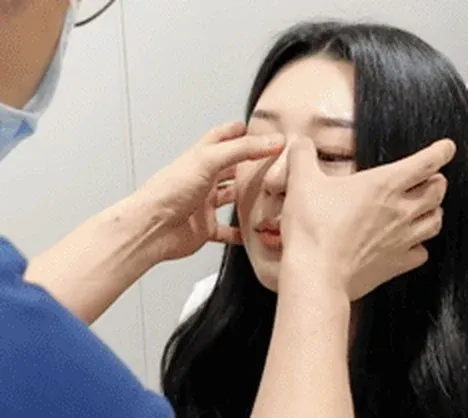
STEP 8. Postoperative patient condition check
After surgery, we check for any discomfort or pain experienced by the patient.
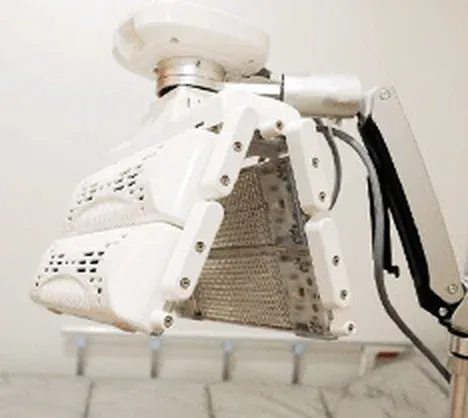
STEP 9. Postoperative care
The attending medical staff provide thorough postoperative care, including antibiotic injections and swelling-reduction laser treatment.
Surgical Information
| Procedure time: 180 minutes | Anesthesia: Sedation anesthesia | Follow-up visits: 3 visits (days 3, 7, and 14) | Nasal packing removal: Days 2–3 | Splint and suture removal: Day 7
Pre- and Postoperative Precautions
Before surgery
· Fasting before surgery: Do not consume any food or drinks, including water, candy, and gum (8 hours for general anesthesia; 6 hours for sedation anesthesia). · Please stop taking aspirin-based medications, hormonal medications, herbal medicines, and supplements 7 days before surgery. · Please refrain from alcohol and smoking starting 7 days before your scheduled procedure. · Please remove all manicure and gel nails, including nail accessories, before your visit. · On the day of surgery, shower and wash your face, then visit without makeup or contact lenses, after removing jewelry and wearing clothing that is easy to change out of. · Do not drive yourself on the day of surgery; please use a taxi or public transportation. · Please notify us in advance if you have medical conditions such as high blood pressure or diabetes; allergies or adverse drug reactions; medications you are taking; or implanted medical devices such as a defibrillator.
After surgery
· For 3–4 days after surgery, keep your head elevated above your heart. For 1 month, sleep on your back facing the ceiling; do not lie on your side or stomach. · Swelling and bruising generally subside in about 2 weeks, and the final shape stabilizes after approximately 6 months. · Do not remove the tape or splint over the nose yourself. You may blow your nose or wear glasses after 4 weeks. · Sutures at the columella are removed after 1 week, those at the nostrils after 10 days, and internal nasal sutures after 2 weeks. · You may wash your Face and apply makeup around the nose starting the day after columella suture removal. Please avoid steam rooms and saunas for 1 month. · Strenuous exercise that places strain on the Face may be resumed after 1 month. · Refrain from alcohol and smoking for 1 month after surgery, and avoid excessive exercise and stress. · Take prescribed medications at the scheduled times, and avoid multivitamins—especially vitamin E—and supplements for 1 month.
Please be sure to check
Basic surgical information may vary by individual. Complications such as postoperative bleeding, infection, and inflammation may occur, and subjective satisfaction may vary from person to person. The surgical method is determined through consultation with a specialist.
 WONDERFUL PLASTIC SURGERY