
Alar Base Reduction
from 400,000 KRW* VAT Not Included
This procedure reduces the width of widely flared or thick nasal alae to improve overall nasal balance. Depending on the type, such as wide nasal alae or excessive width beneath the nostrils, the incision site and technique vary. Small incisions are made in inconspicuous areas.
Surgery Overview
This procedure reduces and balances the width of wide-spreading or thick alar bases to refine a bulky-looking nose into a sleeker, more sophisticated appearance. Surgical techniques vary depending on the type, such as wide alar bases or excessive width beneath the nostrils, and small incisions are made in inconspicuous areas.

Recommended for
· Those whose nose appears blunt and low due to wide alar bases · Those with thick alar bases that are not harmonious with their overall facial features · Those whose alar bases spread significantly when smiling · Those with widely flared nostrils · Those with a high Nasal Bridge but a wide, blunt-looking Nasal Tip · Those whose alar bases make their facial impression appear dull


When the alar bases themselves are large or flared, the nostrils may appear large and the nose may look lower than it actually is. Alar Base Reduction can reduce the width of the alar bases, correct a bulky-looking nose shape, and create a more refined appearance.

Before surgery → 3 months after surgery (left: before surgery / right: after surgery)
Alar Base Reduction techniques by type
CASE 1. Wide-spreading alar bases or large nostrils

Before surgery → 2 months after surgery

Before surgery → 5 months after surgery

Surgical technique: Excess alar base tissue is removed along the boundary between the alar base and cheek, then sutured. (Left: before surgery / right: postoperative diagram)
CASE 2. Excessive width beneath the nostrils

Before surgery → 1 month after surgery

Before surgery → 7 months after surgery

Surgical technique: A small incision is made below the nostrils, and sutures are used to pull the alar bases inward. (Left: before surgery / right: postoperative diagram)
Features of View Alar Base Reduction
Point 1. Customized design considering each individual's alar base size and proportions
Different surgical techniques are applied according to each individual's proportions for wide, thick alar bases. The nasolabial angle and Columella angle are also considered to create a three-dimensional, well-balanced nose from every angle.
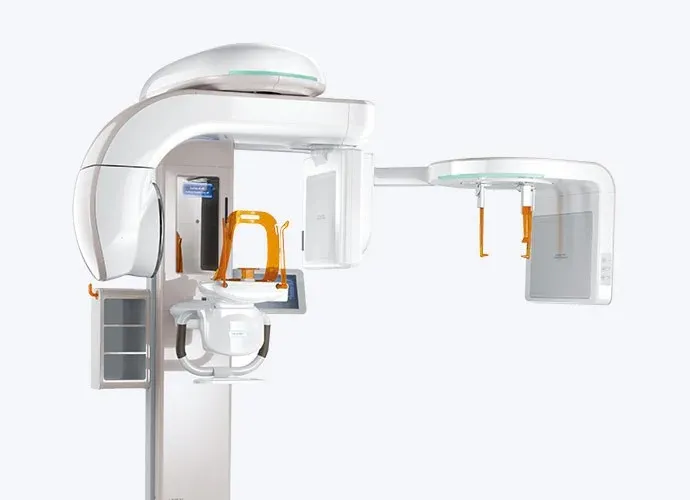
Point 2. Precise and safe surgery with detailed 3D-CT diagnosis
Following a thorough analysis through detailed 3D-CT diagnosis, a systematic surgical plan is established with consideration for both aesthetic and functional aspects.
Point 3. Small incisions in inconspicuous areas
A dedicated rhinoplasty medical team selects the optimal surgical method for each individual and makes small incisions in inconspicuous areas to minimize tissue damage and scarring. An anesthesiology and pain medicine specialist monitors the patient's condition in real time during surgery.
Point 4. Dedicated medical care and customized aftercare
The dedicated medical team provides responsible care from consultation and surgery through progress checks, and manages scars and swelling after surgery using laser and ultrasound equipment according to each individual's condition.
Since 2005, expertise proven by reviews
Since opening in 2005, we have gained experience performing a wide range of cases, correcting every nose shape properly from the inside out and creating natural yet beautiful nasal lines.
Surgical Process

STEP 1. In-depth consultation
We provide a detailed consultation based on your desired nose shape, line, height, and more.
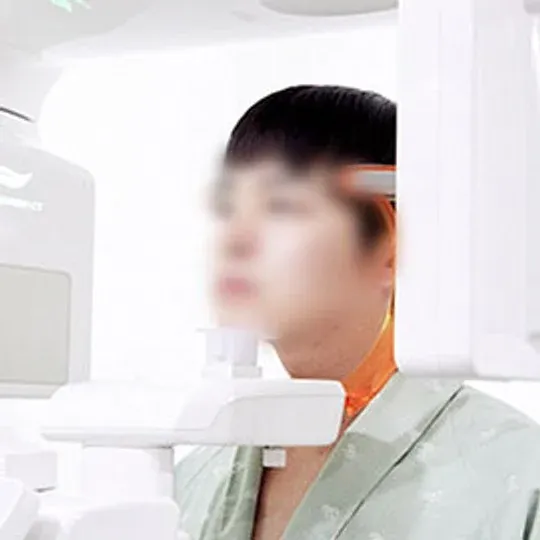
STEP 2. Detailed diagnosis
Before surgery, we assess the overall condition of the nose and make a diagnosis through a detailed examination.

STEP 3. Design and planning
We develop the optimal design and surgical plan by reflecting the patient's individual characteristics and goals.

STEP 4. Safe surgery
Surgery is performed safely through collaboration between plastic surgery and anesthesiology and pain medicine specialists.

STEP 5. Intensive care
The attending physician checks progress regularly and provides customized aftercare for each individual.
Real selfie before-and-after photos
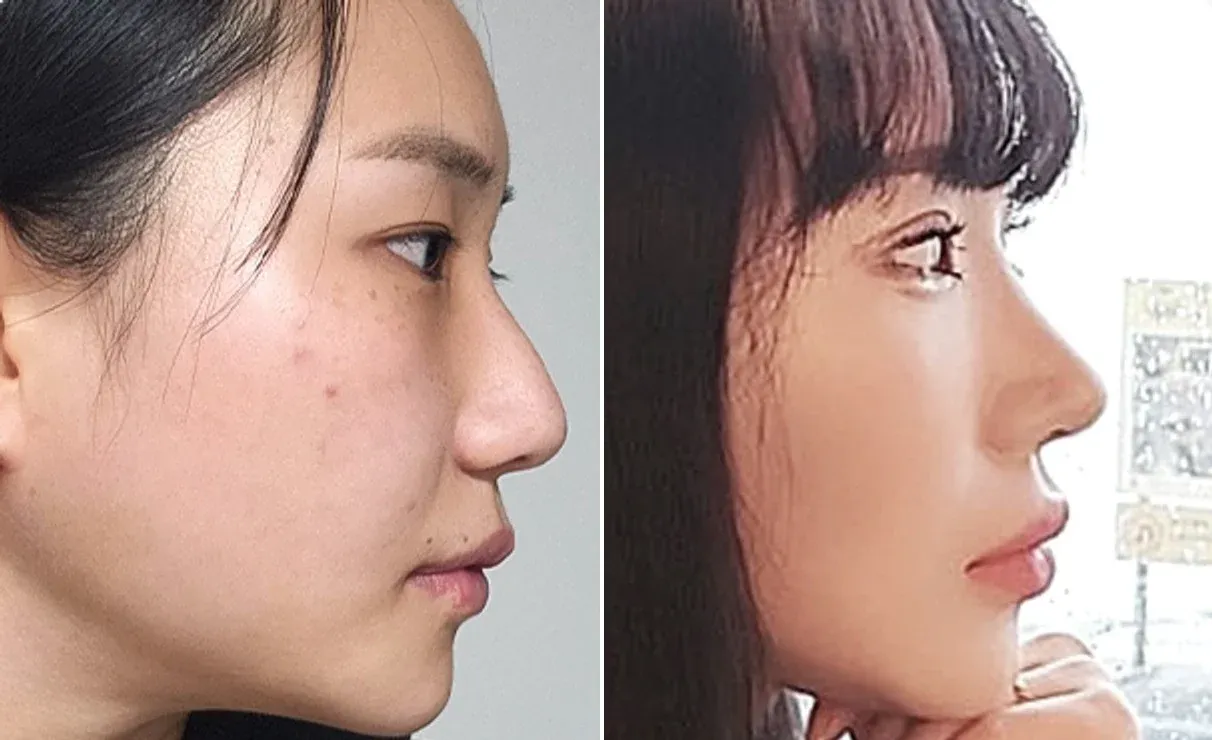
Before surgery → 1 month after surgery
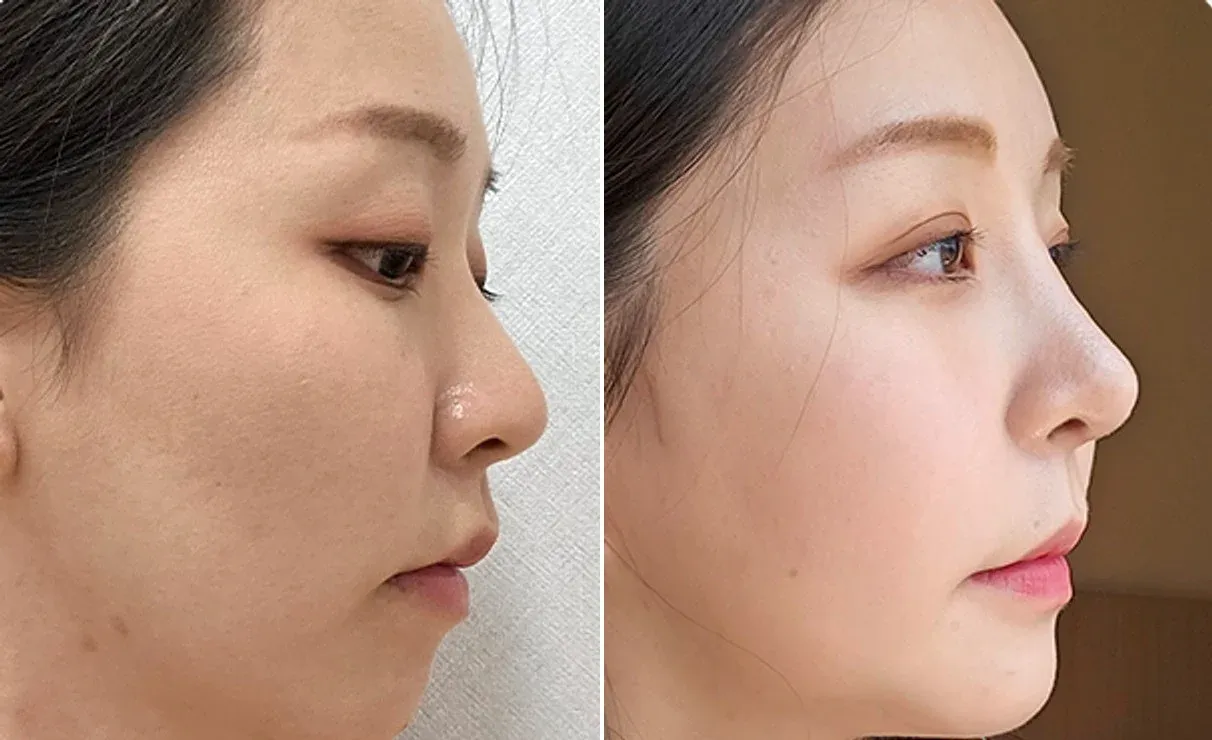
Before surgery → 1 month after surgery
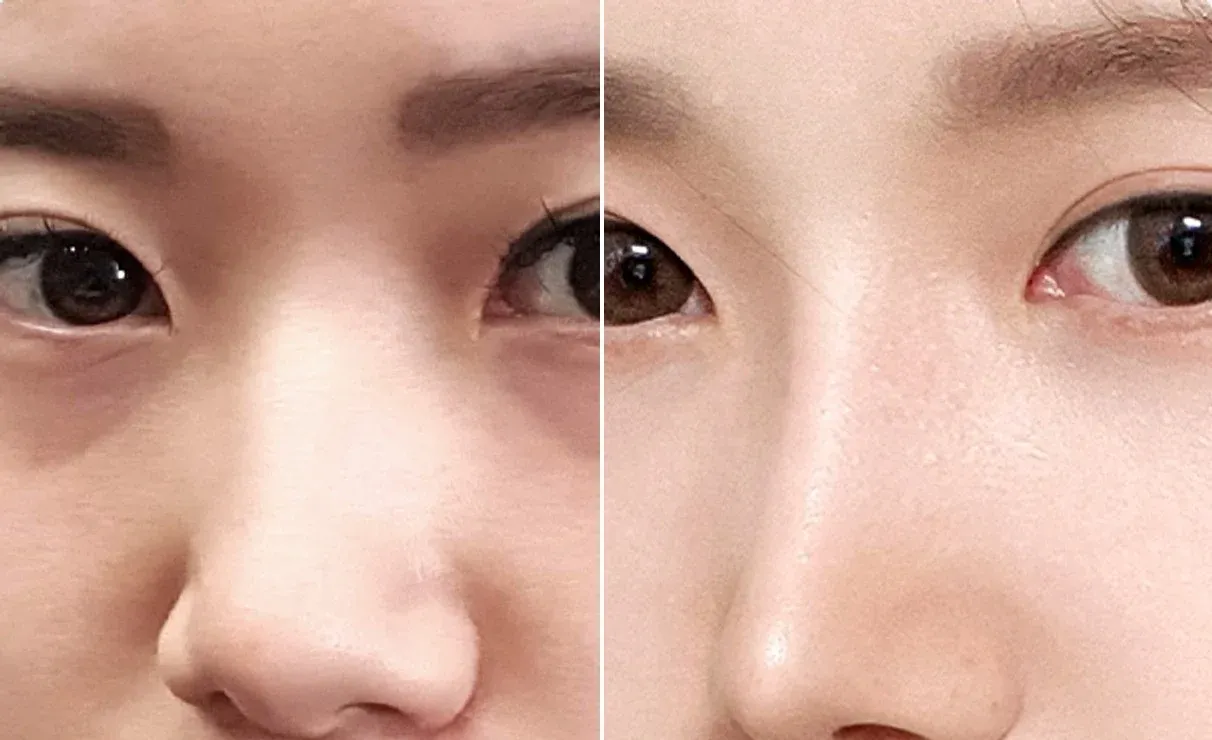
Before surgery → 6 months after surgery

Before surgery → 2 months after surgery
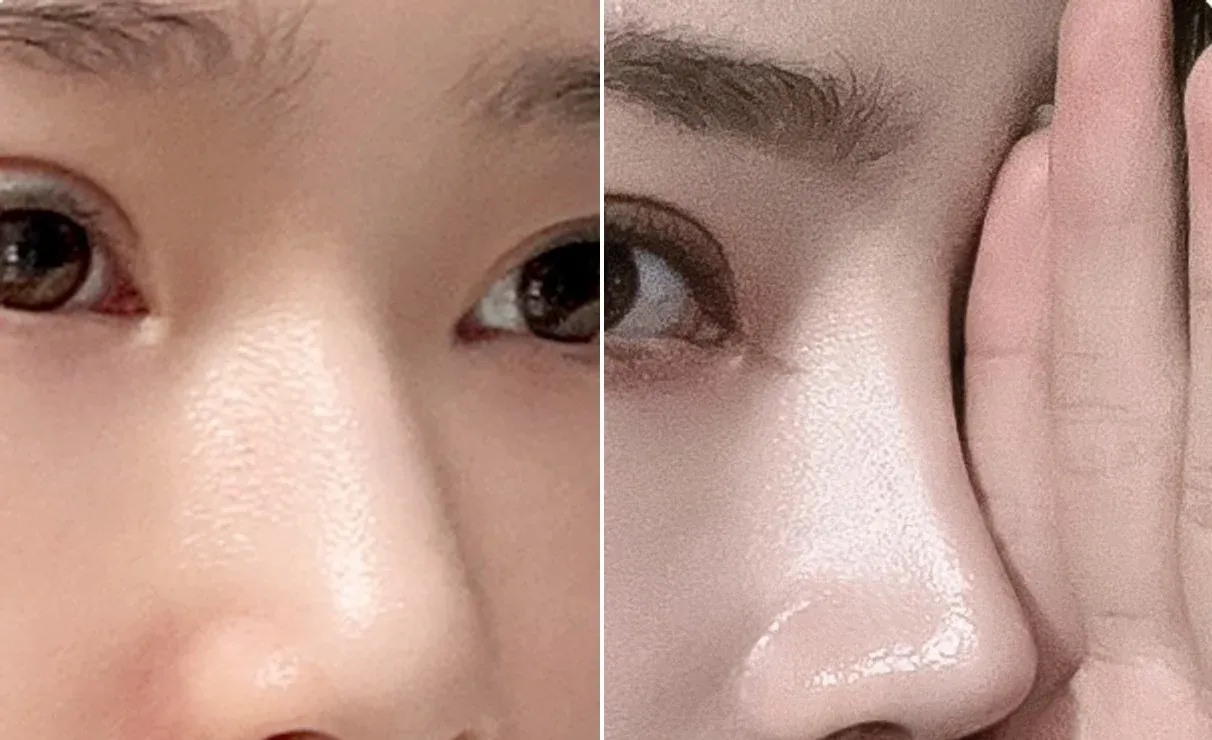
Before surgery → 5 months after surgery
Surgery Information
| Surgery duration: 1–2 hours | Anesthesia: Sedation anesthesia | Hospitalization: None | Suture removal: 7 days after surgery | Follow-up visits: Approximately 2 visits | Return to daily activities: After 5–7 days
Please note
The before-and-after photos were taken and published with the patient's consent. Surgical results and recovery periods may vary depending on the individual, and the surgical method is determined through consultation with a specialist.
 VIEW PLASTIC SURGERY